This post may contain affiliate links. If you purchase through these links, we may earn a commission at no extra cost to you.
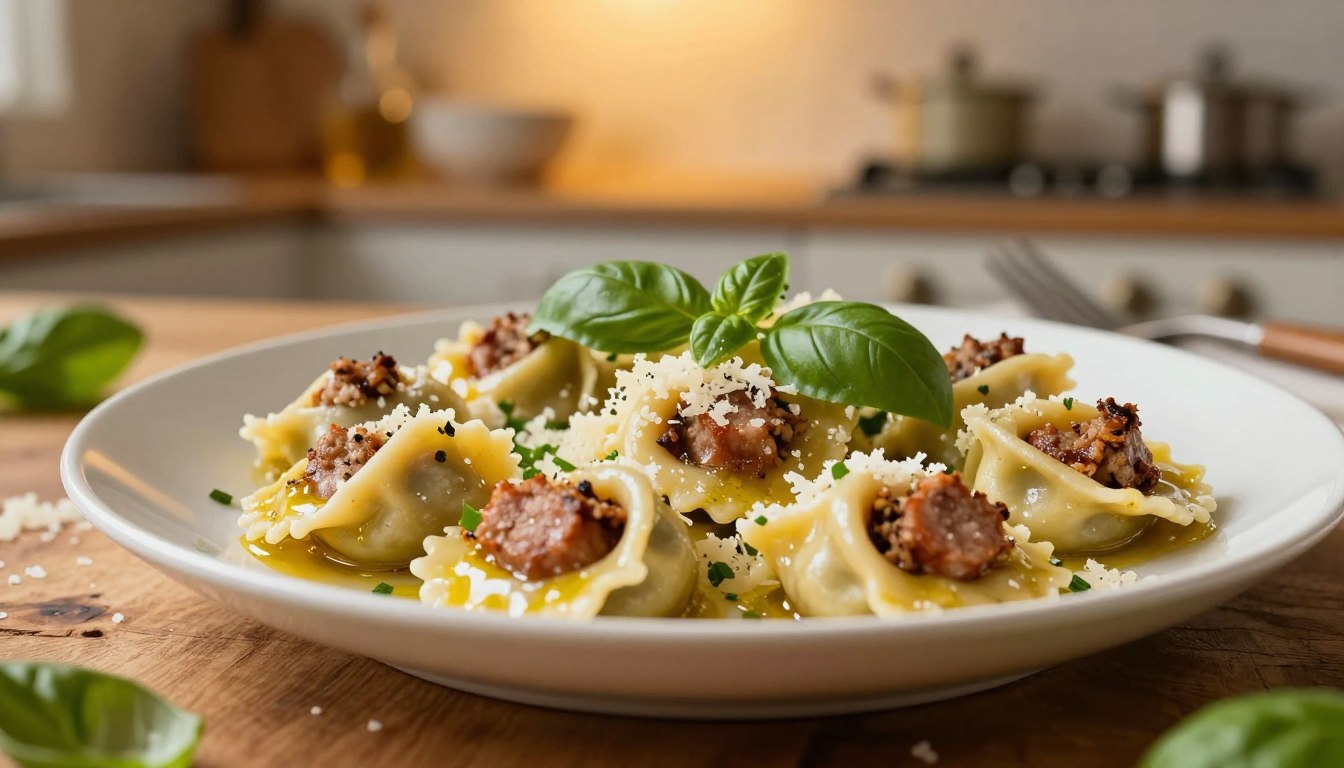
Homemade Tortellini Recipe
There is something deeply satisfying about biting into a warm, tender pasta pocket filled with savory meat. The moment when the delicate dough gives way to a burst of rich flavors is what keeps families gathering around the dinner table. homemade Italian tortellini brings that magic to your kitchen without requiring years of culinary training.
This classic dish combines soft pasta with bold, hearty seasoning. The balance between tender dough and flavorful filling creates a meal that feels both comforting and special. Whether you are cooking for a busy weeknight or planning a weekend dinner, this recipe delivers restaurant-quality results from your own stovetop.
Learning to make Italian sausage tortellini at home opens doors to a world of culinary confidence. This guide walks you through each step with clear instructions and expert tips. You will discover how professional cooks balance textures and flavors to create unforgettable meals. By mastering these techniques, you can transform simple ingredients into something your family will request again and again.
The journey from raw ingredients to a beautiful plate of tortellini teaches patience and precision. These are skills that extend far beyond this single dish. Once you understand the fundamentals of pasta making and filling preparation, you gain tools that serve you in countless other recipes. Start this culinary adventure today and taste the difference that homemade Italian cooking brings to your table.
Table of Contents
Understanding Traditional Italian Cuisine Foundations
Traditional Italian cuisine represents centuries of culinary artistry and regional pride. Stuffed pasta dishes like tortellini stand as perfect examples of how Italy’s food culture blends history, technique, and local ingredients. Learning about these foundations helps home cooks understand the “why” behind classic recipes. This knowledge transforms cooking from following steps into creating authentic experiences.
The craft of making stuffed pasta involves much more than mixing filling and folding dough. It requires understanding how regional traditions shaped what we eat today. Each region of Italy developed its own approach to pasta-making based on available ingredients, climate, and cultural influences.
The History of Stuffed Pasta
Stuffed pasta emerged in medieval Italy as cooks sought ways to create hearty, satisfying meals. The practice developed across different regions, with each area adding its own signature touches. Emilia-Romagna became known as the heartland of tortellini production. Documentation from Renaissance kitchens shows that stuffed pasta was already a refined art form.
The shape itself tells a story. Legend claims tortellini’s design was inspired by Venus’s navel, reflecting the romantic nature of Italian culture. What matters most is that every fold and pinch served a purpose—to seal flavors inside while creating a beautiful presentation.
If you enjoy hearty and simple comfort meals like this Homemade Tortellini Recipe,you may also want to try some of our other delicious recipes:
- Chicken Fried Steak
- Sizzling Chicken Spaghetti
- Peanut Butter Chicken
- Tzatziki Chicken Bowls
- Chicken in Brandy Sauce
Regional Variations in Italian Cooking
Italy’s diverse regions each brought unique flavors to pasta-making:
- Emilia-Romagna perfected tortellini with pork, cheese, and nutmeg fillings
- Bologna specialized in rich, meat-based sauces to complement stuffed pasta
- Piedmont developed ravioli using local ingredients like mushrooms and truffles
- Sicily created larger pasta shapes with seafood and vegetable combinations
Understanding these regional differences gives home cooks appreciation for authentic recipes. When you prepare Italian sausage tortellini, you’re participating in centuries of culinary tradition and family heritage.
Preparing Your Homemade Italian Sausage Tortellini
Making a homemade tortellini recipe at home requires patience, practice, and attention to detail. The process transforms simple ingredients into elegant pasta parcels filled with savory italian sausage tortellini that rivals restaurant quality. Success comes from understanding each step and mastering the basic techniques used by Italian pasta makers for generations.
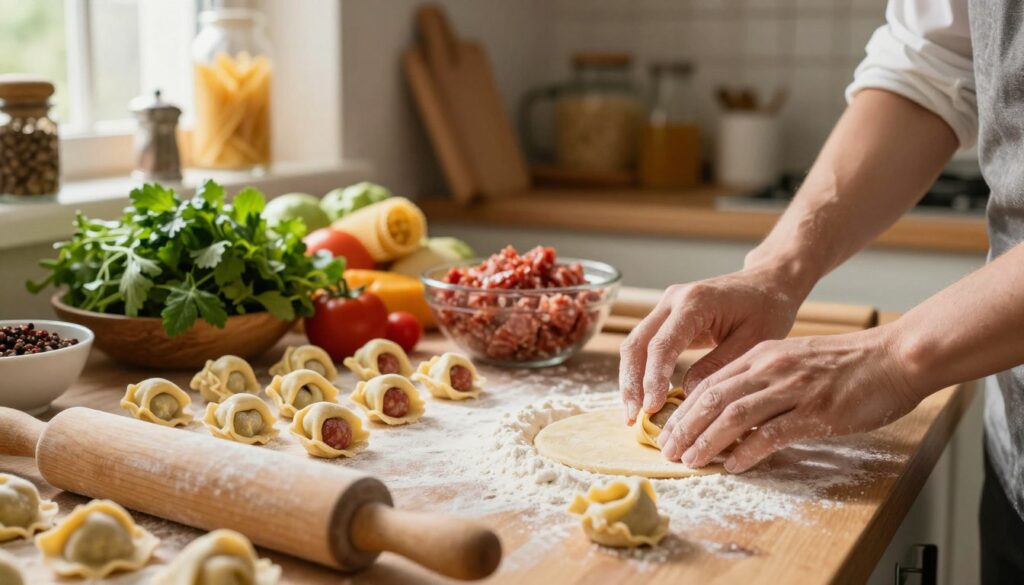
The foundation of any homemade tortellini recipe starts with proper dough preparation. Mix flour and eggs on a clean work surface. Knead the mixture for about ten minutes until the dough becomes smooth and elastic. Let it rest for thirty minutes wrapped in plastic wrap. This resting period allows the gluten to relax, making the dough easier to roll.
Rolling out your dough demands a steady hand and the right tools. Use a pasta machine set to the thinnest setting. Pass the dough through multiple times, folding it in half between passes. The sheets should be thin enough to see your hand through them. Thinner dough creates more delicate tortellini that cooks evenly.
Mastering the Filling and Sealing Process
Preparing italian sausage tortellini involves careful handling of the filling and proper sealing techniques. Place small amounts of filling on your pasta sheets, spacing them about two inches apart. Seal each piece by folding and pressing firmly. Use water on your fingers to help the edges stick together.
- Keep the dough moist while working
- Work in small batches to prevent drying
- Press edges firmly to prevent opening
- Place finished tortellini on a floured tray
Proper sealing prevents your tortellini from breaking apart during cooking. Press each edge with a fork to create a tight seal. Any gaps allow water to enter and ruin your dish. Practice makes perfect when learning to shape and seal these delicate pasta pieces.
Best Amazon Picks:
Selecting Ingredients for Authentic Italian Flavors
The quality of your tortellini depends entirely on what you bring to your kitchen. Picking the right ingredients makes the difference between an ordinary pasta dish and a restaurant-quality meal. Your choices at the grocery store or specialty market will shape the final taste and texture of your homemade creation.
Choosing the Best Savory Sausage Filling
The savory sausage filling is the heart of your tortellini. Look for Italian sausage with a fat content between 20 and 30 percent. This fat ratio keeps the meat moist and flavorful during cooking. Too little fat produces a dry filling, while too much creates a greasy texture.
When selecting sausage, check the spice blend carefully. Authentic Italian sausage contains fennel seeds, garlic, and black pepper as primary seasonings. Avoid brands with excessive fillers or preservatives. Fresh sausage from a local butcher shop often delivers superior flavor compared to pre-packaged options.
- Check the meat color—it should be bright pink or red
- Verify the packaging date for freshness
- Ask your butcher about the exact spice blend
- Purchase within two days of cooking
Sourcing Quality Pasta Dough Components
Great dough starts with excellent flour. Select tipo 00 flour from Italian brands like Antimo Caputo or Molino Grassi. This finely milled flour creates smooth, elastic dough that stretches without tearing. Standard all-purpose flour produces acceptable results, yet Italian flour delivers noticeably better texture.
Fresh eggs matter just as much as flour. Large eggs from pasture-raised chickens provide richer color and superior binding power. The yolk’s quality affects both flavor and the dough’s workability.
| Ingredient | Type to Choose | Why It Matters |
|---|---|---|
| Flour | Tipo 00 Italian flour | Creates silky texture and elasticity |
| Eggs | Large, pasture-raised | Better binding and richer flavor |
| Salt | Sea salt or kosher salt | Enhances flavor without chemical taste |
| Sausage | Fresh Italian, 20-30% fat | Stays juicy and maintains authentic taste |
Visit specialty Italian markets when possible. These shops stock harder-to-find ingredients and offer knowledgeable staff who can guide your selections. Building relationships with these vendors pays off with better products and insider tips for your cooking.
Cooking the Perfect Flavorful Tortellini Dish
Creating a delicious pasta dish starts with mastering the cooking process. The foundation of perfect tortellini begins with proper water preparation. Fill a large pot with plenty of water and bring it to a rolling boil before adding your pasta. This step ensures even cooking throughout each piece.
Salt your boiling water generously. The water should taste like the sea. This seasoning step flavors the tortellini from the inside out. Skip this, and your final result will taste flat and uninspiring.
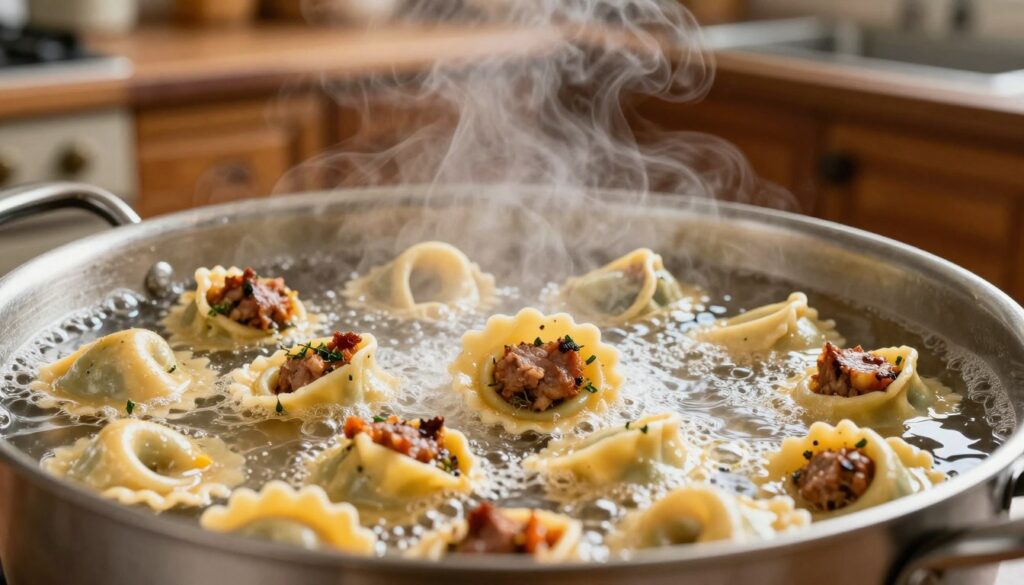
Once you drop your tortellini into the water, stir gently for the first minute. This prevents the pieces from sticking together or to the pot bottom. Watch for the moment when your tortellini rises to the surface. This signals they are nearly ready.
The key to achieving a flavorful tortellini dish lies in timing. Most fresh tortellini cooks in 3 to 4 minutes after rising. Frozen varieties may need an extra minute or two. Test a piece by cutting it open. The pasta should be tender, and the filling should be hot throughout.
Here are essential cooking tips for success:
- Use at least 1 quart of water per ounce of tortellini
- Maintain a gentle boil to protect delicate filled pasta
- Reserve pasta water before draining for sauce consistency
- Never rinse cooked tortellini with cold water
- Toss immediately with sauce or olive oil to prevent sticking
Overcooking ruins the delicate structure. The filling leaks out, and the texture becomes mushy. Undercooking leaves a chewy, unpleasant bite. Perfect al dente tortellini should feel slightly firm when bitten. This balance creates the best eating experience possible. Your efforts in preparing quality ingredients deserve cooking technique that honors that work.
Serving Suggestions for an Easy Dinner Recipe
Your homemade tortellini deserves a thoughtful presentation that transforms your effort into a memorable meal. The right accompaniments turn this italian sausage pasta recipe into a complete dining experience that impresses everyone at your table. Consider what flavors work best with your savory filling to create balance on the plate.
Building a cohesive menu takes just a few simple choices. Your guests will appreciate the care you put into every detail, from the main dish to the final touch on their plates.
Pairing Wine with Italian Sausage Pasta Recipe
Wine selection matters when serving your italian sausage pasta recipe. A medium-bodied Sangiovese brings out the savory qualities of your sausage filling beautifully. The wine’s acidity cuts through the richness of cream-based sauces and complements the herbs in your pasta.
Other excellent choices include:
- Barbera – offers fruit-forward notes that enhance meat flavors
- Chianti – provides earthy undertones that match traditional recipes
- Pinot Grigio – works well with lighter, butter-based sauces
Creating the Ideal Side Dish Accompaniments
Side dishes elevate your easy dinner recipe from simple to sophisticated. Fresh arugula salad with lemon vinaigrette provides a crisp contrast to your warm tortellini. The peppery greens balance the richness of your sausage filling.
Consider these accompaniments:
| Side Dish | Best For | Preparation Time |
|---|---|---|
| Garlic bread (crusty and warm) | Absorbing sauce | 10 minutes |
| Arugula salad with lemon dressing | Light refresh between bites | 8 minutes |
| Roasted vegetables (zucchini, bell peppers) | Adding color and nutrition | 20 minutes |
| Caprese salad (tomato, mozzarella, basil) | Complementing Italian flavors | 5 minutes |
These serving suggestions work together to create an authentic Italian dining experience at your home. Your effort in the kitchen deserves presentation that matches the quality of your cooking.
Related Recipes:
- Chicken Fried Steak
- Sizzling Chicken Spaghetti
- Peanut Butter Chicken
- Tzatziki Chicken Bowls
- Chicken in Brandy Sauce
Conclusion
Making fresh homemade Italian tortellini at home is easier than you might think. This guide has walked you through every step of the process. From picking quality ingredients to mastering the folding technique, you now have all the tools needed to create restaurant-quality pasta in your own kitchen.
The key to success lies in respecting traditional Italian cooking methods while using the best ingredients available. Focus on sourcing fresh sausage, quality flour, and authentic seasonings like basil and oregano. These choices make a real difference in the final taste of your dish. When you pay attention to these details, your tortellini will taste just as good as what you get at a fine dining restaurant.
Feel free to explore new flavors by adding different herbs and spices to your recipe. Experiment with rosemary, thyme, or even red pepper flakes if you want more heat. The core principles of Italian cooking stay the same, but your personal touch makes each batch unique. This is where you can make the recipe truly your own.
Use what you have learned to impress your family and friends at your next dinner. Pair your tortellini with the right wine and side dishes. The effort you put into making this pasta from scratch will be rewarded with a memorable meal that everyone will enjoy and remember.