


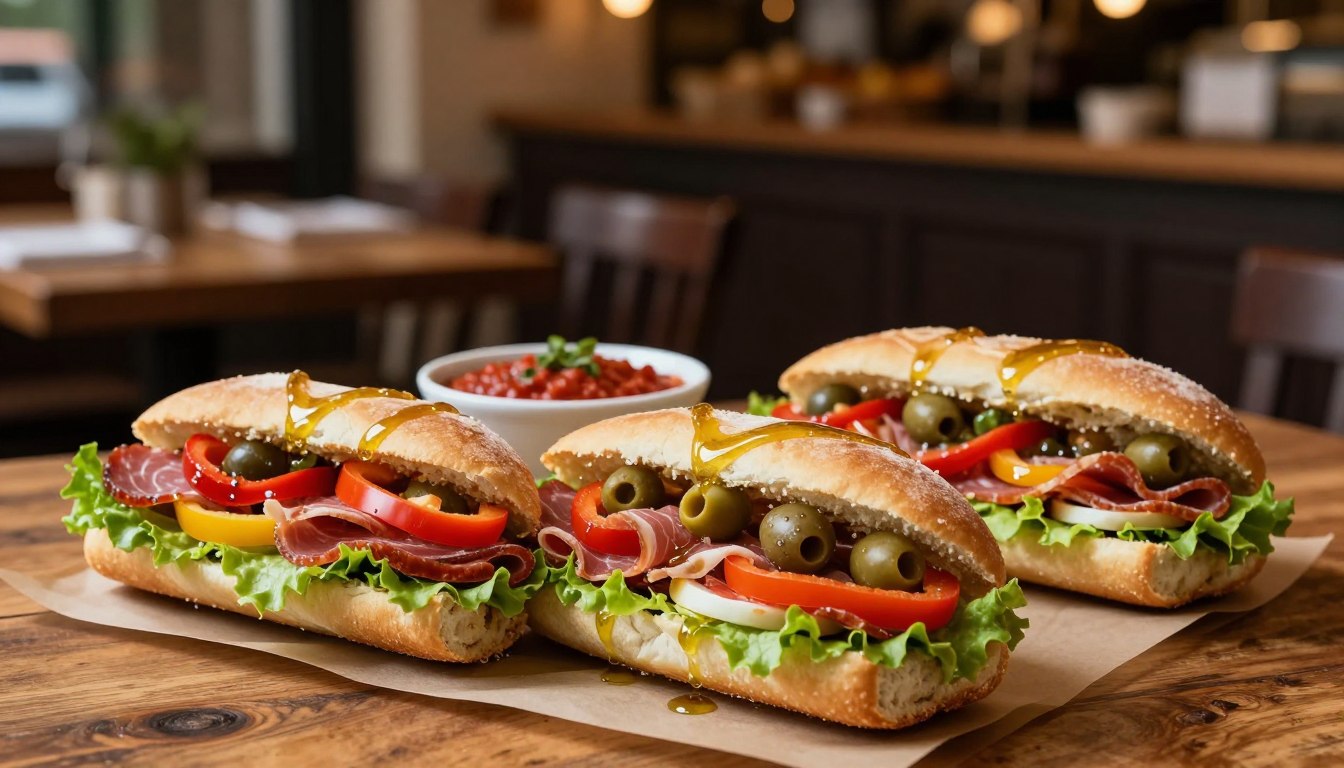
That sinking feeling after biting a soggy sandwich is frustrating. You deserve more than rushed lunch meat on limp bread. Crafting satisfying Authentic italian subs at home turns a simple meal into an unforgettable comfort-food masterpiece.
Whether you crave a robust combination of cured meats or a lighter, vegetable-forward crunch, you can build the ultimate lunch. This guide helps you choose sturdy bread, balance rich cheeses, and mix zesty sauces instead of piling on random ingredients.
Using quality ingredients and controlling moisture guarantees success every time. Get ready to improve your cooking skills and satisfy your deepest cravings with confidence.
Table of Contents
What Makes Italian Subs Authentic and Satisfying
To understand a great sandwich, start with its basic parts. When people search for authentic italian subs, they want more than a quick lunch. They want a meal shaped by old traditions, careful ratios, and bold flavors.
Great flavor comes from sturdy bread, savory cured meats, rich cheeses, and crisp vegetables. Instead of one strict recipe, skilled makers balance ingredients and prepare them with care.
Define the Core Characteristics of an Italian Sub
The bread begins every legendary sub. Its crusty outside must resist moisture, while its soft inside yields with each bite.
The inside layers cured meats like salami, capocollo, and pepperoni. Provolone adds sharp flavor and melts between the rich meats and bright, zesty oil-and-vinegar dressing.
Understand the Difference Between Italian Subs, Hoagies, and Grinders
Regional names often lead to friendly food debates across the United States. A hoagie comes from Philadelphia, while a grinder often means a toasted or warm sandwich in New England.
Meanwhile, a sub is the common name used across the country. Restaurant names differ, so focus on the sandwich’s structure and flavor rather than its local title.
Match Your Sub to Your Craving
Match your meal to your mood on any day. For a traditional taste, choose salty, savory meats with sharp cheese.
These popular choices can satisfy your hunger:
- Classic Profile: Traditional cold cuts, provolone, lettuce, tomatoes, and seasoned oil.
- Spicy Kick: Hot capocollo, spicy sopressata, and pickled hot peppers.
- Rich and Melty: Extra cheese gently toasted until warm and gooey.
- Lighter Bite: Lean turkey or ham paired with extra fresh greens and a light splash of vinegar.
Knowing these elements helps you customize authentic italian subs while keeping their core identity.
How to Build Italian Subs Step by Step
Making a deli-style sandwich at home takes care with structure, details, and flavor. To recreate the experience of buying the best italian subs, focus on the basic building process. Each layer matters, from the roll’s base to the final drizzle of oil.
This skill can turn a simple lunch into an authentic deli masterpiece. Follow these steps to make the best italian subs at home.
1. Choose Fresh Bread That Hold Every Layer
Bread forms the foundation of any great sandwich. Without a sturdy base, even the finest fillings may fall apart.
Select the Right Bread Style
Choose a seeded Italian roll, a long sub loaf, or sturdy bread with a crisp exterior and soft, resilient inside. Its crust should crunch while holding heavy ingredients without tearing.
Prevent Soggy or Overstuffed Bread
Remove extra tomato liquid and drain pickled ingredients before assembly. Add dressing shortly before serving to protect the bread’s texture.
2. Layer Flavorful Meats in Balanced Portions
Meat gives your sandwich its savory backbone, but balanced portions matter. Do not pile it too high, or the sandwich becomes hard to handle.
Build a Classic Cured-Meat Combination
Use thinly sliced ham, Genoa salami, and capocollo or mortadella for a classic mix. Fold or loosely layer the meats to trap air and improve the sandwich’s mouthfeel.
Adjust the Meat Selection for Different Cravings
Choose proteins that match your personal taste. Replace standard salami with spicy pepperoni or hot capocollo for extra heat.
3. Add Cheese That Complements the Fillings
Cheese connects the savory cured meats with fresh, crisp produce. The right variety adds a creamy, flavorful finish.
Use Provolone for a Traditional Profile
Aged provolone has a familiar sharp, savory taste that cuts through rich cured meats. It remains the gold standard for traditional deli recipes.
Consider Mozzarella, Parmesan, or Other Variations
Fresh mozzarella gives your meal a softer, milder texture, while grated Parmesan adds salty intensity. Use Parmesan sparingly so it does not overpower the other ingredients.
| Component | Primary Options | Flavor Profile |
|---|---|---|
| Bread | Seeded roll, French baguette | Crisp outside, soft inside |
| Meat | Salami, ham, capocollo | Savory, salty, and spiced |
| Cheese | Provolone, mozzarella | Sharp, mild, or creamy |
Quality ingredients and proper portions create an authentic sandwich. Enjoy it right away for the best texture and taste.
Choose Fresh Toppings for Texture, Color, and Contrast
Turning a basic sandwich into an unforgettable meal depends on your toppings. Toppings provide the essential crunch, color, and acidity needed to balance rich meats and heavy cheeses. Fresh layers keep an italian sandwich shop meal from tasting heavy or dull.
Great layering requires thoughtful planning for balanced flavor. Simple ingredients can lift your sandwich to new heights.
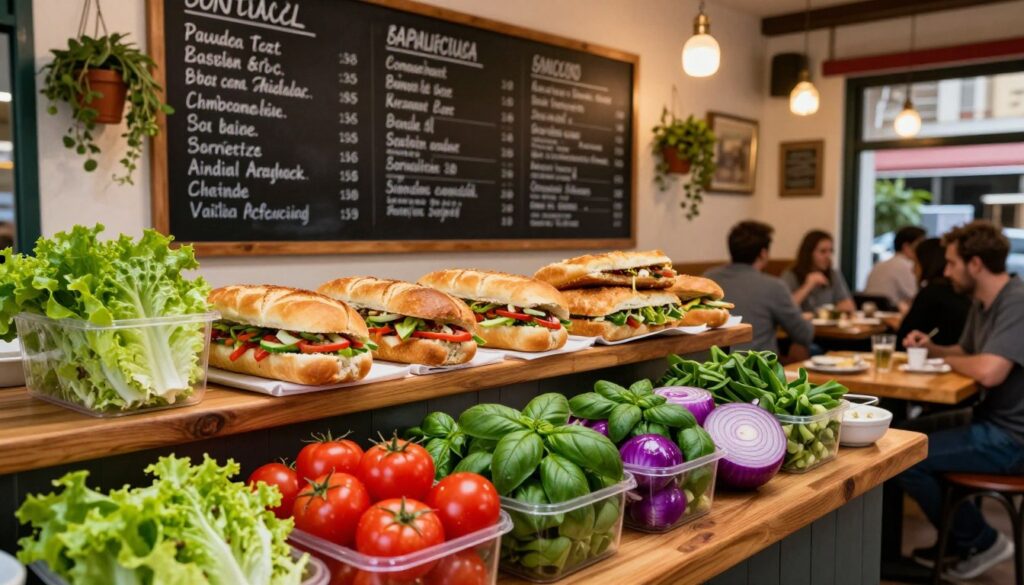
Use Crisp Lettuce and Juicy Tomato
Every great sandwich starts with a reliable crunch. Shredded iceberg or crisp romaine lettuce adds fresh texture and holds dressings well. Thinly sliced ripe tomatoes spread moisture evenly without flooding the bread.
Add Onion, Pepper, and Pickled Ingredients
Zesty toppings brighten the sandwich. Thinly sliced red onion adds a sharp bite, while roasted peppers bring sweet, smoky depth. Banana peppers, cherry peppers, or pepperoncini add lively heat and acidity.
Use Herbs and Seasonings Without Overpowering the Sub
Fresh aromatics improve the sandwich’s flavor. Parsley, basil, or oregano adds a bright aroma. Always let herbs support rather than conceal the cured meats and cheese.
Prepare Toppings for Even Bites
Proper preparation helps keep your meal together. Drain wet ingredients thoroughly before adding them. Cut larger items into manageable pieces so they stay inside the bread.
Decide When to Add Greens or Specialty Toppings
Custom toppings let you match the sandwich to your taste. Add peppery arugula, earthy spinach, briny olives, or marinated artichokes for a fresh twist. Each choice changes the sandwich’s flavor and mouthfeel.
If you order out, a quality italian sandwich shop will prep its produce daily. When customization is available, ask how your favorite italian sandwich shop cuts, seasons, and drains its toppings.
Balance Sauces, Oils, and Seasonings
The right mix of liquids and spices can lift a meal, linking its ingredients together. Too much moisture or sharp flavor can overwhelm your palate and ruin the roll’s texture. Control these elements so each bite stays balanced and holds together.
Make a Traditional Oil-and-Vinegar Dressing
A classic dressing uses balanced fat and acid to cut through rich meats and heavy cheeses. When you examine where to find italian subs that honor tradition, look for vinaigrette whisked and added before wrapping. This simple step joins the flavors without hiding the cold cuts’ quality.
Combine the Essential Ingredients
Whisk high-quality extra-virgin olive oil with a bright splash of red wine vinegar. Add dried oregano, freshly cracked black pepper, and a measured amount of salt. For a subtle boost, add minced garlic, crushed red pepper flakes, or a small spoonful of Dijon mustard.
Apply the Dressing in the Right Amount
Do not pour a heavy stream of liquid directly onto the bread, or it may become soggy and collapse. Instead, use a squeeze bottle or spoon to lightly drizzle vinaigrette over vegetables or the top roll’s inner face. This method spreads flavor well while keeping the crumb intact.
Choose Creamy or Spicy Sauces for Custom Variations
If you want a richer texture, replace the vinaigrette with a mayonnaise-based spread containing herbs and garlic. For heat, add hot cherry-pepper spread or Calabrian chile paste for a bold flavor. These options let you choose the sandwich’s heat level and texture.
Control Salt, Acidity, and Heat
Cured meats, aged cheeses, and briny pickles already add plenty of sodium and tang. Taste each component before adding salt or acidic dressing. This keeps flavors balanced, so you can enjoy every layer without needing water after each bite.
Know When to Toast the Sub
Heat melts the cheese and releases aromatic oils from the meats. Warm the bread and protein in an oven or toaster before adding delicate toppings, such as fresh lettuce and juicy tomatoes. Cold, crisp greens contrast with the warm, melted center.
| Dressing or Sauce | Primary Flavor Impact | Best Application Method |
|---|---|---|
| Oil and Red Wine Vinegar | Tangy, herbaceous, and traditional | Light drizzle over the vegetable layer |
| Mayonnaise-Based Spread | Rich, creamy, and smooth | Spread thinly on the bottom bread slice |
| Hot Cherry-Pepper Paste | Spicy, sharp, and bold | Dabbed sparingly between the meat layers |
Assemble Italian Subs for Different Cravings
Your appetite often guides your lunch choice. Match your mood with ingredients to create a satisfying meal. At home, craft delicious Italian subs by changing flavors and textures.
Different flavor combinations change the salt, fat, heat, and acidity in your meal. Avoid too many fillings so you can taste every layer. Explore several styles to match whatever flavor you crave today.
Build a Classic Italian Sub
A traditional build uses a sturdy, crusty roll with a balanced trio of meats. Layer ham, genoa salami, and capocollo with sliced provolone cheese. Top it with shredded lettuce, juicy tomatoes, and crisp onion rings.
Finish with a generous pinch of dried oregano and oil-and-vinegar dressing. This classic style balances savory meat, creamy cheese, and bright acidity. Each bite brings refreshing crunch without feeling heavy or overwhelming.
Build a Spicy Italian Sub
For more heat, choose bolder ingredients. Start with hot capocollo and spicy pepperoni to raise the sandwich’s heat. Add banana peppers, sliced cherry peppers, or a dash of crushed red pepper for extra heat and tang.
Watch your sodium when combining cured meats with pickled peppers. Reduce other salty ingredients for clean flavor without burning your palate.
Build a Rich and Cheesy Italian Sub
Cheese lovers can improve their sandwiches by adding more dairy favorites. Combine standard provolone with fresh mozzarella or a modest dusting of grated Parmesan cheese. This combination creates a decadent, melting texture that coats every other ingredient.
Warm the bread and meat in an oven before adding fresh toppings. Gentle heat softens the cheese and releases the cured meats’ rich aromas.
Build a Fresh and Lighter Italian Sub
Enjoy a satisfying lunch that feels light and crisp on hot days. Use a smaller portion of your favorite cured meat to keep the calorie count reasonable. Fill the roll with extra shredded lettuce, ripe tomatoes, fresh herbs, and sweet roasted peppers.
Use very little oil-and-vinegar dressing so the garden vegetables shine. This lighter style highlights vibrant colors, high moisture, and refreshing crunch.
Build a Meat-Lover’s Italian Sub
Hearty appetites call for several premium meats stacked high. Layer thin ribbons of ham, pepperoni, salami, and prosciutto without overcrowding the roll. Use proper portion control so the bread, cheese, and vegetables remain clearly noticeable.
Balancing these rich protein layers keeps the sandwich from becoming too dense or salty. You get the savory satisfaction you want while preserving your roll’s structural integrity.
Use Professional Assembly Techniques at Home
Turning your kitchen into a local deli takes more than good ingredients. Professional sandwich makers follow steps to build delicious italian hoagies that hold their shape and burst with flavor. Use their proven workflow at home to improve your results.
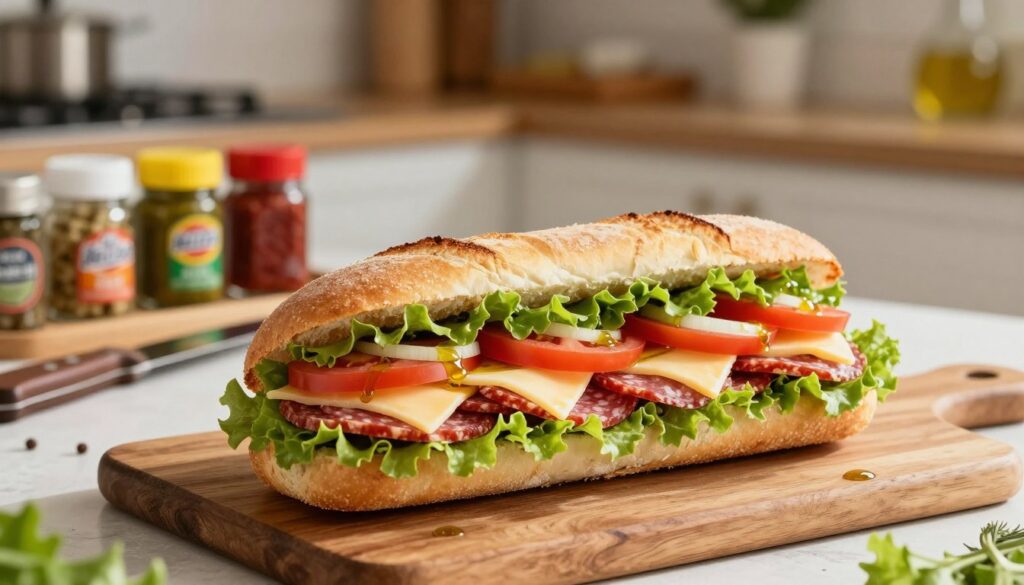
Before layering ingredients, prepare a clean, organized workstation. Carefully slice your chosen roll, keeping the hinge intact. Wash and fully dry fresh produce, then drain pickled ingredients to prevent unwanted liquid. Neatly portion the meats and cheese, then mix your dressing in a small bowl.
Moisture control keeps bread from turning soggy. Place dry cheese or folded meat against the bread, then spread fillings evenly from edge to edge. Measure dressing lightly, and add juicy tomatoes or wet pickles only after draining them.
After adding the ingredients, gently compress the sandwich with clean hands or parchment paper. This helps the fillings settle without crushing the bread’s fluffy texture. Use a sharp serrated knife to cut the roll cleanly. Slice straight across or at a neat angle, based on your preferred serving style.
These classic handheld meals taste best soon after dressing and cutting. Enjoy them right away while the bread keeps its structure and crisp vegetables keep their fresh crunch.
Find the Best Italian Subs at a Sandwich Shop
Finding an exceptional sandwich starts with knowing what to check before ordering. Inspect the ingredients, preparation, and deli setting before choosing your lunch spot.
When you want to enjoy classic italian subs, research local shops first. We can help you judge each eatery with confidence.
Evaluate Bread, Ingredients, and Preparation
Start by checking the sandwich’s foundation: the bread. Choose bread that looks fresh, has a crisp crust, and feels soft inside.
Quality delis slice meat evenly in front of you. Check that the cheese has a clear name and vegetables look crisp and bright.
Search for Authentic Italian Subs Near You
Start by checking current menus, photos, and customer comments online. Remember, reviews and photos may change when management or suppliers change.
Pay close attention to details shared by recent customers. Reliable feedback often mentions steady quality and friendly service.
Compare Menu Descriptions and Customization Options
Read the menu details before choosing your meal. Choose specific meat and cheese descriptions instead of vague terms like “Italian-style.”
See whether the shop offers useful extras for your order. These may include toasted bread, hot or sweet peppers, oil and vinegar, oregano, extra vegetables, and easy substitutions.
Recognize a Top Italian Sub Restaurant
A top-tier shop uses consistent ingredients and keeps preparation areas spotless. Clear menu details and sensible portions help make every bite enjoyable.
A classic italian subs experience stays satisfying without excessive meats or heavy toppings. Careful layering and fresh preparation show quality better than size alone.
Fix Common Italian Sub Mistakes
When a sandwich misses the mark, basic troubleshooting can help you fix common flaws. Even skilled cooks may face excess moisture, strong saltiness, or bland flavors during lunch prep. These fixes can save a disappointing meal from the trash.
Use these checks when judging a top italian sub restaurant and its quality control. Here are simple ways to rescue a struggling sandwich.
Correct a Soggy Sub
A soggy base quickly ruins your lunch’s texture. This often comes from too much oil-and-vinegar dressing, wet tomatoes, or undrained pickled peppers. Open the layers and gently dab away liquid with a paper towel.
If the bread is ruined, move the fillings onto a fresh slice of sturdy bread. Apply wet dressings right before eating to prevent sogginess later.
Correct an Overly Salty Sub
Cured meats and aged cheeses contain a lot of sodium. If the sub tastes too salty, do not add more meat or cheese. Instead, balance it with fresh, unsalted ingredients.
Add shredded lettuce, juicy tomato slices, or mild cucumbers between the layers. A larger portion of plain, unseasoned bread can also dilute the intense saltiness.
Correct a Bland Sub
Without seasoning, a sub can leave your palate unsatisfied. Fix dull flavor by adding bold ingredients one at a time. Sprinkle dried oregano and cracked black pepper over the fillings.
A splash of sharp red wine vinegar or a few hot banana peppers can wake up your taste buds. Upgrading to sharp provolone also makes a noticeable difference.
Correct a Dry or Tough Sub
Stale bread and lean meats can make lunch hard to chew. Revive a dry sub with a measured drizzle of quality olive oil and vinegar blend. Juicy tomato slices or roasted red peppers can restore needed moisture.
Next time, choose fresher bakery bread and ask for thinner meat slices for a tender bite.
Follow Safe Food-Handling Practices
A clean kitchen helps protect you from foodborne illnesses. Always wash fresh produce under running water before slicing. Keep perishable meats and cheeses refrigerated until assembly time.
| Sub Issue | Primary Cause | Immediate Fix | Prevention Tip |
|---|---|---|---|
| Soggy Bread | Excess dressing or wet tomatoes | Dab moisture with paper towel or replace bread | Add dressing right before eating |
| Overly Salty | Too much cured meat or cheese | Add more lettuce, tomato, or plain bread | Balance meat portions with fresh vegetables |
| Bland Flavor | Missing seasonings or mild ingredients | Add oregano, black pepper, or vinegar | Layer flavorful cheeses and spices |
| Dry Texture | Stale bread or thick, lean meats | Drizzle oil-and-vinegar dressing or add tomatoes | Use fresh bakery bread and thin slices |
Use clean cutting boards and utensils to prevent cross-contamination. Never leave perishable fillings at room temperature for extended periods. These simple guidelines help ensure a safe and delicious meal every time.
Conclusion
Making a great Italian sub starts with sturdy bread, quality meats, and careful layering. Balance oil, vinegar, and seasonings to control flavor without soaking the bread. Use proper portions instead of piling every ingredient high.
Use this method to make classic, spicy, cheesy, or lighter sandwiches at home. Restaurants like Jersey Mike’s Subs and Firehouse Subs use similar layering rules. These rules help keep the ingredients secure.
Serve your Italian sub soon after adding dressings to keep its texture crisp. Chill meat, cheese, and produce properly before assembly to keep them safe. You have the tools to create a delicious meal today.
FAQ
What are the best Italian subs and how do I find them?
The best Italian subs combine fresh, sturdy bread, balanced cured meats, provolone cheese, and crisp vegetables. Meat choices include ham, salami, and capocollo, while seasoned oil-and-vinegar dressing ties everything together. When looking for where to find Italian subs, search local menus for specific meat descriptions, quality bread, and customizable toppings. Choose them rather than generic offerings.
What is the difference between an Italian sub, a hoagie, and a grinder?
These terms often describe the same sandwich style, depending on the region. A hoagie is widely associated with the Philadelphia area. A grinder often means a toasted or warm sandwich in parts of New England.
A sub is the broad term used across the United States. Focus on the sandwich’s authentic construction and flavor profile rather than its regional name.
How can I prevent my Italian sandwich shop creation from getting soggy?
Soggy bread usually comes from excess moisture in tomatoes, pickled ingredients, or too much dressing. Drain wet toppings thoroughly, add oil-and-vinegar dressing just before eating, or place cheese or folded meat between vegetables and bread.
What are the key ingredients for authentic Italian subs?
Authentic Italian subs use crusty or resilient bread, balanced portions of cured meats, and provolone cheese for a sharp profile. Meat choices include salami, capocollo, and mortadella. Add fresh, crisp lettuce and tomatoes, plus dressing made with extra-virgin olive oil, red wine vinegar, and oregano.
How do I choose the right bread for delicious Italian subs?
Choose a long sub roll, seeded Italian roll, or another sturdy loaf with a crisp exterior and soft, resilient interior. Avoid overly soft bread that collapses under the fillings. Ensure the bread can hold your meats, cheese, and vegetables.
Can I customize classic Italian subs to fit different dietary preferences or cravings?
Yes, you can easily adapt your sandwich to satisfy different cravings and dietary preferences. For spice, add hot capocollo, pepperoni, or cherry peppers; for a lighter version, reduce meat and add extra greens. For a rich, cheesy option, pair provolone with mozzarella or a touch of Parmesan.
