


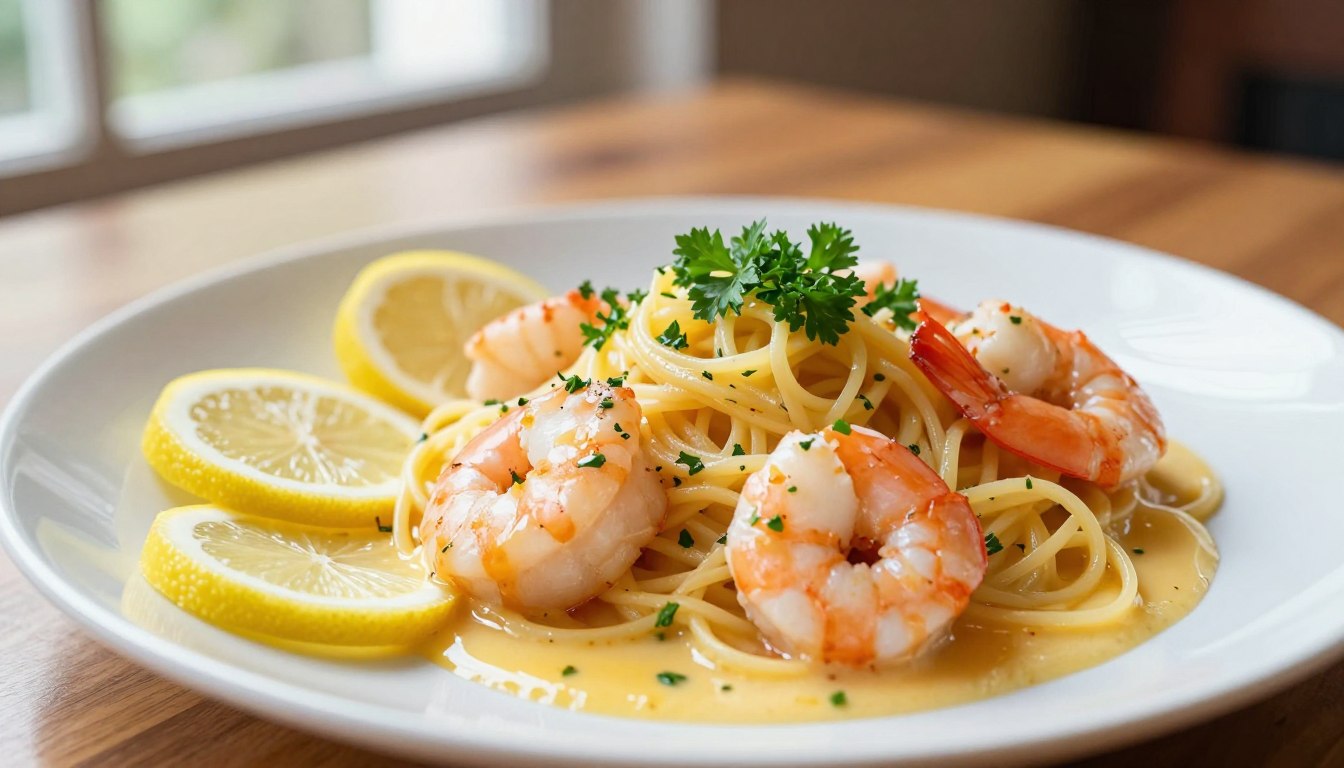
If you love fresh seafood and bright, zesty flavors, this Seafood Piccata recipe is a delicious dinner you’ll want to make again and again. Tender shrimp and flaky white fish are coated in a silky lemon-butter sauce with garlic, capers, and fresh parsley. Every bite delivers the perfect balance of buttery richness, tangy lemon, and savory seafood flavor.
Inspired by classic Italian-American piccata dishes, this seafood version feels elegant enough for a special dinner but is simple enough for a busy weeknight. The sauce comes together quickly in one skillet, making cleanup easy while allowing the seafood to shine.
Serve it over pasta, alongside fluffy rice, or with crusty bread to soak up every drop of the delicious sauce. Whether you’re cooking for your family or entertaining guests, this easy seafood piccata brings restaurant-style flavor straight to your table.
Table of Contents
Why You’ll Love This Seafood Piccata
- Bright and buttery: Fresh lemon juice and butter create a rich, refreshing sauce.
- Full of flavor: Garlic, capers, and parsley add savory depth and a delicious tang.
- Quick and easy: Simple ingredients and a skillet make preparation straightforward.
- Versatile seafood: Shrimp and white fish work beautifully together.
- Perfect for special occasions: This elegant dish looks impressive without requiring complicated techniques.
Ingredients for Seafood Piccata
For the Seafood
- 1 pound (450 g) large shrimp, peeled and deveined
- 12 oz (340 g) cod or other firm white fish, cut into portions
- 1/2 teaspoon salt, or to taste
- 1/4 teaspoon black pepper
- 1/3 cup (40 g) all-purpose flour, for light dredging
- 2 tablespoons olive oil
- 2 tablespoons unsalted butter
For the Lemon Piccata Sauce
- 3 cloves garlic, minced
- 1/2 cup (120 ml) chicken or seafood broth
- 1/4 cup (60 ml) fresh lemon juice
- 2 tablespoons capers, drained
- 3 tablespoons unsalted butter, cold and cubed
- 1 tablespoon chopped fresh parsley
- 1/2 teaspoon lemon zest, optional
- Salt and black pepper, to taste
For Serving
- Lemon slices or wedges
- Extra chopped fresh parsley
- Cooked pasta, rice, or crusty bread, optional
How to Make Seafood Piccata
Step 1: Prepare the Seafood
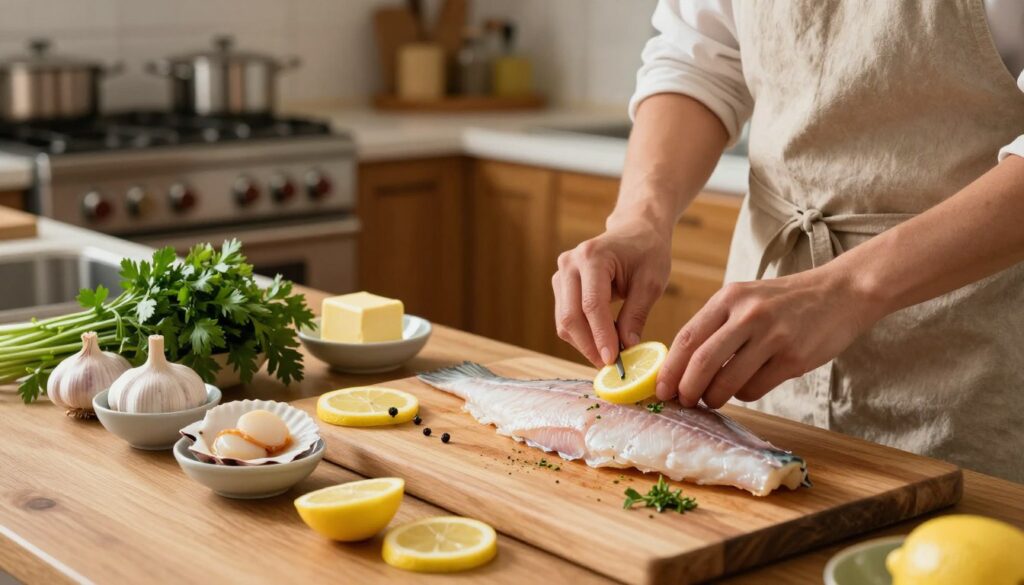
Pat the shrimp and fish dry with paper towels. Season with salt and black pepper. Lightly dredge the fish in flour, shaking off any excess. The shrimp can also be lightly dusted if desired, but this is optional.
Step 2: Sear the Fish
Heat the olive oil and 2 tablespoons of butter in a large skillet over medium heat. Add the fish portions and cook for approximately 3–4 minutes per side, depending on thickness, until golden and nearly cooked through. Transfer to a plate.
Step 3: Cook the Shrimp
Add the shrimp to the same skillet and cook for about 1–2 minutes per side, until nearly opaque. Transfer to the plate with the fish. The seafood will finish cooking when returned to the sauce.
Step 4: Sauté the Garlic
Reduce the heat to medium-low. Add the minced garlic to the skillet and cook for about 30 seconds, stirring constantly until fragrant. Avoid browning the garlic, which can make it taste bitter.
Step 5: Make the Lemon Piccata Sauce
Pour in the broth and fresh lemon juice. Add the capers and lemon zest, if using. Scrape the bottom of the skillet to release the flavorful browned bits. Simmer for 3–5 minutes until the liquid reduces slightly.
Step 6: Finish with Butter
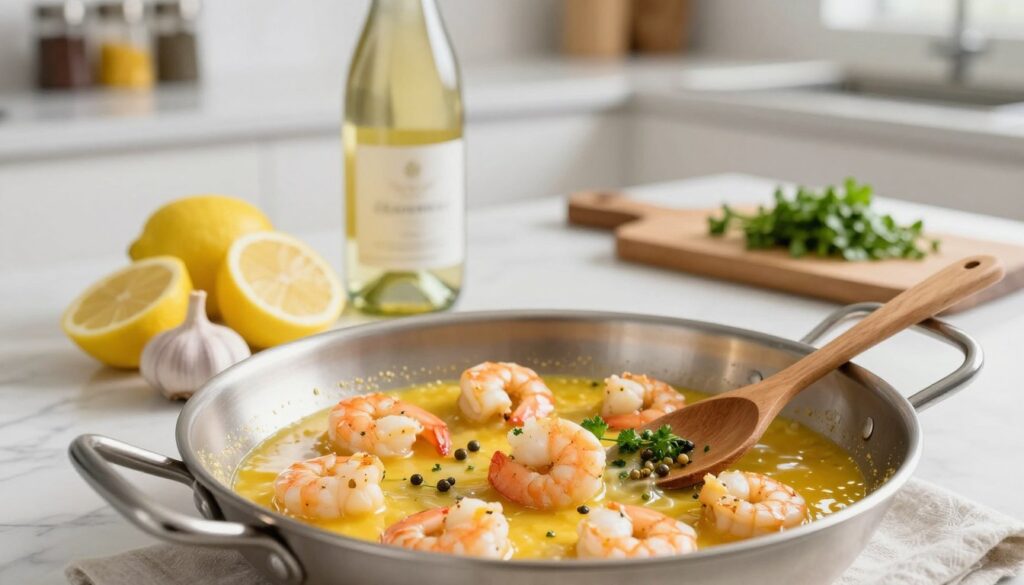
Reduce the heat to low. Add the cold butter a little at a time, swirling or stirring until it melts into a smooth, glossy sauce. Taste and adjust the seasoning with salt and black pepper as needed.
Step 7: Return the Seafood to the Skillet
Place the fish and shrimp back into the skillet. Spoon the lemon-caper sauce over the seafood and simmer gently for 1–3 minutes, or until the seafood is fully cooked. Fish should reach 145°F (63°C), and shrimp should be opaque and firm.
Step 8: Garnish and Serve
Sprinkle with fresh parsley and garnish with lemon slices. Serve immediately over pasta or rice, or alongside crusty bread to enjoy every bit of the lemon-butter sauce.
Tips for the Best Seafood Piccata
- Use fresh lemon juice: Freshly squeezed lemon provides the brightest flavor.
- Dry the seafood well: This helps the fish develop a golden crust instead of steaming.
- Don’t overcrowd the skillet: Cook in batches if necessary for better browning.
- Add butter over low heat: This helps the sauce become smooth and glossy rather than separating.
- Watch the cooking time: Shrimp cooks quickly, while thicker fish portions need a little longer.
- Adjust the capers: Capers add a salty, tangy flavor, so taste the sauce before adding extra salt.
What to Serve with Seafood Piccata
This lemony seafood dish pairs beautifully with simple sides that complement its buttery sauce.
- Angel hair pasta: A classic pairing that catches the lemon-caper sauce.
- Steamed rice: Mild and fluffy, perfect for soaking up the sauce.
- Roasted asparagus: Adds freshness and a pleasant crunch.
- Garlic bread: Ideal for enjoying every last spoonful of sauce.
- Fresh green salad: A crisp salad balances the richness of the butter.
Can You Make Seafood Piccata Ahead of Time?
Seafood piccata tastes best when prepared just before serving because shrimp and fish can become overcooked when reheated. You can make the broth, lemon juice, garlic, and caper base ahead of time, then finish the sauce with butter and cook the seafood shortly before dinner.
How to Store Leftovers
Refrigerate leftovers in an airtight container within 2 hours of cooking and consume within 2 days. Reheat gently in a covered skillet over low heat with a small splash of broth, just until warmed through. Avoid boiling the sauce or reheating the seafood for too long.
Frequently Asked Questions
What seafood works best for piccata?
Shrimp, cod, haddock, and other firm white fish work well. You can also use scallops, adjusting the cooking time to their size.
What gives piccata sauce its signature flavor?
The classic flavor comes from lemon juice, butter, capers, and broth. Garlic and fresh parsley add extra aroma and freshness.
Can I make seafood piccata without flour?
Yes. Simply season the seafood and sear it without dredging. The sauce will be slightly thinner, but the lemon-butter flavor will still be delicious.
Is seafood piccata spicy?
Traditional piccata is not particularly spicy. For a little heat, add a pinch of red pepper flakes to the garlic while sautéing.
Final Thoughts
This Seafood Piccata combines tender shrimp, flaky fish, and a bright lemon-butter sauce with garlic and capers for a dinner that feels both comforting and elegant. It’s quick enough for weeknights and special enough to serve to guests.
Pair it with pasta, rice, or crusty bread, and enjoy a delicious seafood meal bursting with fresh, zesty flavor.busy weeknight.
FAQ
Can I use frozen seafood to make seafood piccata?
Yes, you can use frozen shrimp, scallops, or fish for your easy seafood recipe. Thaw it completely first, then pat it very dry with paper towels. This prevents excess moisture from cooling your skillet and thinning your seafood piccata sauce.
What is the best way to prevent the lemon butter sauce from breaking?
To keep your lemon caper sauce smooth and glossy, lower the heat before adding butter. Whisk in cold, unsalted butter gradually, adding a little at a time. Avoid high heat or rapid boiling afterward, or the emulsion may separate and become greasy.
Can I combine different types of seafood in this dish?
Absolutely! A mixed Italian seafood dish with shrimp, scallops, and white fish offers various textures. Just monitor cooking times closely because smaller items like shrimp cook faster than thicker fish fillets.
What are the best side dishes to serve with fish piccata or shrimp piccata?
This dish pairs well with sides that can absorb the rich seafood piccata sauce. Serve your shrimp piccata or scallop piccata over angel hair pasta, long-grain rice, or creamy mashed potatoes. You can also serve it with a crusty loaf of bread and crisp green vegetables.
How do I store and reheat leftovers safely?
Promptly store your seafood piccata in an airtight container in the refrigerator after it cools. Reheat it over low heat in a skillet or microwave it in short intervals. Add a tiny splash of broth or water to loosen the sauce, but avoid overcooking the tender seafood.
