


This post may contain affiliate links. If you purchase through these links, we may earn a commission at no extra cost to you.
Every home cook has a moment when they find a dish that changes everything. For many, that moment is when they first taste butter beef. The richness and tenderness melt in your mouth, showing hours of care.
Butter beef is more than just a meal. It’s a culinary experience that brings people together. Learning to cook this dish lets you impress your family and guests with amazing flavors.
This guide will teach you everything about butter beef preparation. You’ll learn professional techniques to make simple ingredients extraordinary. The step-by-step instructions are for both beginners and experienced cooks.
Your journey to mastering butter beef starts now. By following these guidelines, you’ll learn to prepare this dish with confidence. You’ll understand the science behind the flavors and the timing and techniques that matter.
The butter beef cooking process is easier when broken into parts. Each section of this guide builds on the last. You’ll go from selecting ingredients to plating a restaurant-quality dinner with ease and precision.
Table of Contents
Understanding the Appeal of Butter Beef
Butter beef is a favorite in modern cooking. It combines two key ingredients for a unique taste. This dish has pleased both home cooks and chefs for years.
What makes butter beef so loved? It’s the mix of premium butter and quality meat. The butter’s fat keeps the meat moist and adds a tasty crust.
Why This Dish Remains a Culinary Favorite
Butter beef is a hit at dinner tables in the U.S. Here’s why:
- It offers rich, satisfying flavors.
- It looks like a restaurant dish but is easy to make at home.
- It’s great for both everyday meals and special occasions.
- The cooking method is simple once you get the hang of it.
The Science Behind the Rich Flavor Profile
The crust on butter beef comes from the Maillard reaction. This happens when meat and sugar brown at high temperatures. It creates new, savory flavors.
This science makes butter beef special. The heat changes the meat’s surface into a burst of new tastes. The butter keeps the inside juicy. Knowing this science boosts your cooking skills and makes meals taste amazing.
If you enjoy simple homemade comfort meals like this Butter Beef , you might also love these easy recipes:
Essential Ingredients for a Flavorful Meal
Creating a great butter beef recipe begins with the right ingredients. The quality of your ingredients greatly affects the taste of your dish. Before cooking, make sure you have everything you need. This step helps avoid stress and keeps your cooking smooth.
Success in cooking depends on choosing top-notch ingredients. These ingredients should complement each other well. Using fresh, premium items will make your meal unforgettable for your family.
Building Your Ingredient Foundation
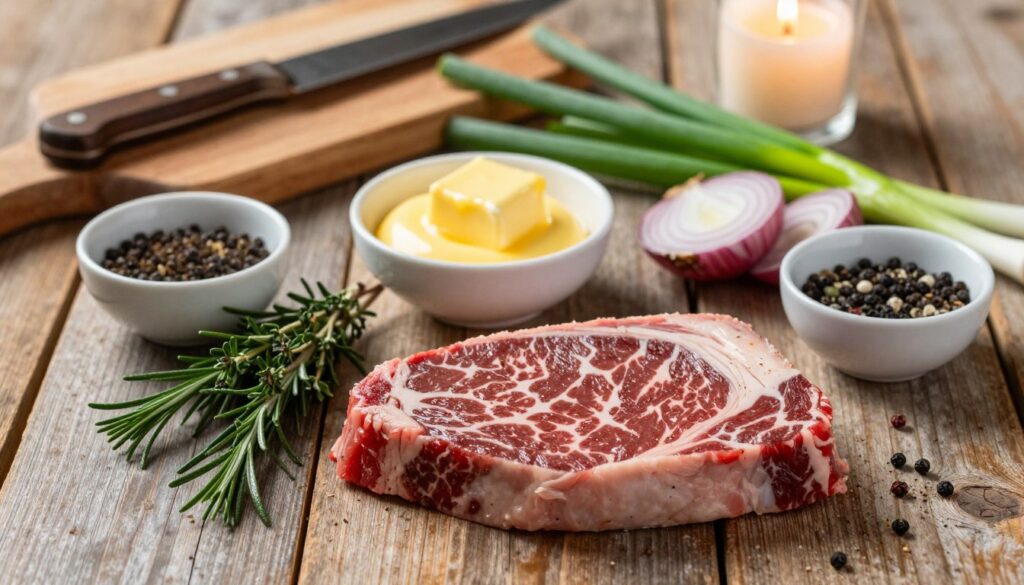
Begin with grass-fed butter as your base. It offers a richer taste than regular butter. Its high fat content enhances flavor and texture. Add fresh herbs like rosemary, thyme, and garlic to deepen the flavor.
Here are the core ingredients you need:
- Grass-fed butter (unsalted)
- High-quality beef cuts
- Fresh garlic cloves
- Rosemary sprigs
- Thyme sprigs
- Sea salt
- Black pepper
- Beef broth
Choosing the right ingredients is crucial. Fresh herbs lose potency over time, so buy them just before cooking. Store them in the fridge in damp paper towels to keep them fresh.
| Ingredient | Quality Level | Impact on Flavor | Storage Tips |
|---|---|---|---|
| Grass-fed Butter | Premium | Rich, complex taste | Keep refrigerated, use within 2 weeks |
| Fresh Rosemary | Fresh | Earthy, aromatic notes | Wrap in damp paper, refrigerate |
| Fresh Garlic | Fresh bulbs | Sharp, savory depth | Store in cool, dark place |
| Thyme | Fresh sprigs | Subtle, warm flavor | Refrigerate in damp towel |
| Beef Broth | Low-sodium | Deep umami taste | Keep in pantry, use within expiration |
Using fresh, high-quality ingredients is key to a delicious meal. Don’t compromise on ingredient quality—it’s what makes your butter beef special.
Preparing Your Meat for the Perfect Sear
Getting your beef ready is key to cooking butter beef well. The prep phase decides if your dish will be tender, juicy, and top-notch. Success begins before the pan gets hot. Choosing the right cut and seasoning it right leads to tasty results.
Selecting the Best Cuts of Beef
Choosing the right cut of beef is crucial for texture and flavor. Look for cuts with good marbling, the white fat lines in the meat. These fats make your beef tender and juicy when seared.
The best cuts for butter beef include:
- Ribeye steaks with consistent fat distribution
- New York strip steaks for a leaner option
- Sirloin cuts that are budget-friendly
- Tenderloin for maximum tenderness
Proper Seasoning Techniques for Maximum Taste
Seasoning turns good beef into great beef. The seasoning steps are simple but need timing and precision.
Follow these seasoning steps:
- Pat your beef dry with paper towels at least 40 minutes before cooking
- Apply kosher salt generously to all sides of the meat
- Let the salt sit for 30 minutes to draw out moisture and improve the sear
- Add black pepper and garlic powder right before placing meat in the pan
- Avoid salt immediately before cooking, as this prevents proper browning
This timing lets the salt season the meat from the inside. Your meat will get a beautiful crust and stay tender.
Best Amazon Picks:
Mastering the Butter Beef Cooking Technique
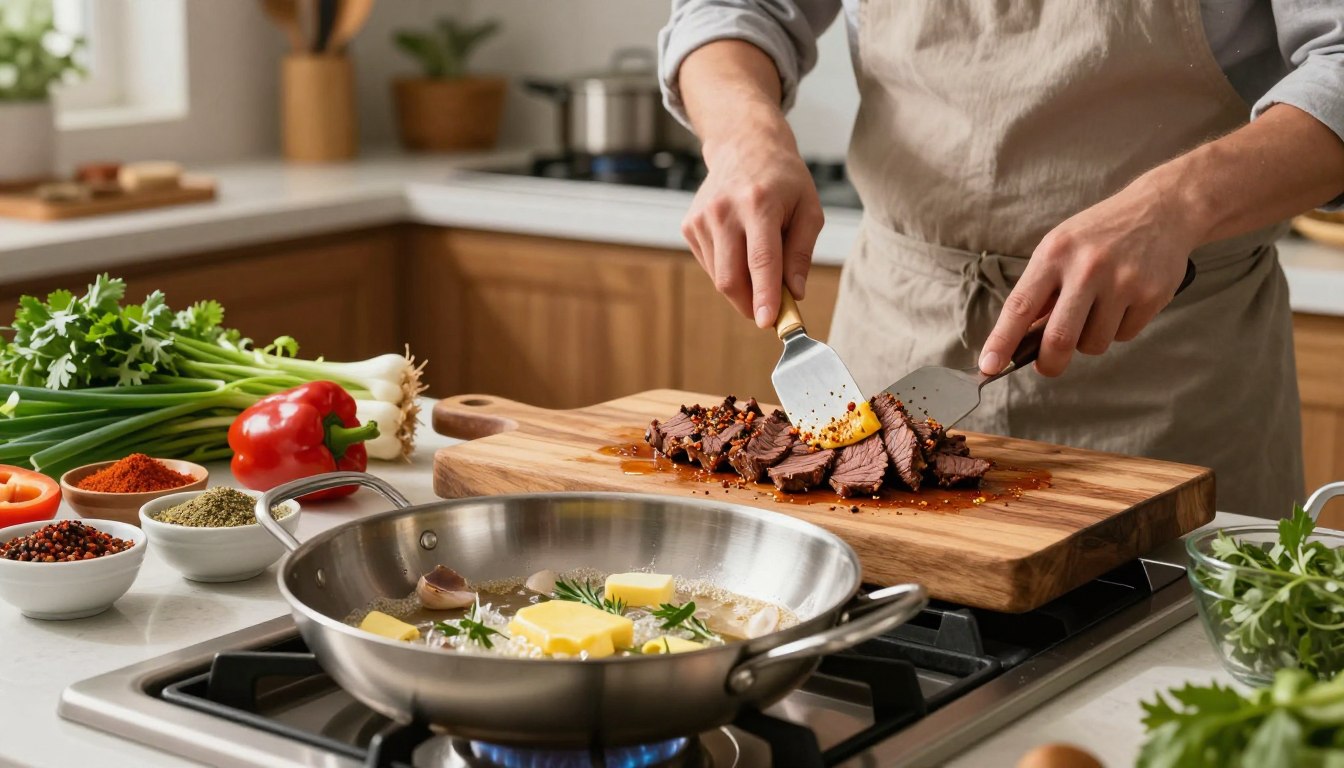
Learning to cook butter beef is all about finding the right balance. You need to control the heat and know when to add the butter. The secret is in the “arroser” technique from France. It involves spooning hot, foaming butter over the meat as it cooks.
This method helps your butter beef get a golden-brown crust. At the same time, it keeps the meat tender inside.
Temperature control is key in this cooking process. Your pan should be at medium-high heat before adding the beef. When the butter starts to foam and turns golden, it’s time to baste. Spoon this flavorful butter over the meat every 15 to 20 seconds.
- Heat your pan until it’s very hot but not smoking
- Place your beef in the pan and let it sear for 2-3 minutes without moving it
- Add butter and fresh herbs like rosemary and thyme
- Tilt the pan slightly and use a spoon to baste the meat continuously
- Monitor the butter color—it should stay golden, never brown
- Cook until your desired doneness is reached
This recipe technique combines all your ingredients into a delicious, restaurant-quality dish. It impresses everyone who tries it.
Achieving a Juicy and Tender Texture
To make your butter beef juicy and tender, focus on two key things: controlling the heat and letting it rest. These steps help create a dish that’s both delicious and tender. Knowing how to do this right can make a big difference in your cooking.
Managing Heat Levels During the Process
Keeping the right temperature is crucial for tender meat. Start with high heat to get a nice crust on the outside. This crust adds flavor and texture.
Once you have a good crust, lower the heat to medium or low. This gentle cooking keeps the inside moist. Aim for an internal temperature of 135 degrees Fahrenheit for the best results. Use a meat thermometer to check if it’s done right. Cooking it too long can make the beef tough and dry.
- Start at medium-high heat for 3-4 minutes per side
- Reduce heat to medium-low for the remainder of cooking
- Check internal temperature with a thermometer
- Remove from heat 5 degrees before reaching target temperature
Resting Your Meat for Optimal Results
After cooking, let your meat rest for at least 10 minutes before cutting. This step helps keep the meat juicy and tender. Skipping it can ruin all your hard work.
While it rests, the meat’s fibers relax and soak up juices. This makes the meat tender and juicy. Rest it on a warm plate, covered with foil to keep it warm.
| Rest Time | Meat Size | Result Quality |
|---|---|---|
| 5 minutes | Thin cuts (under 1 inch) | Adequate moisture retention |
| 10 minutes | Standard cuts (1-2 inches) | Excellent juiciness and tenderness |
| 15-20 minutes | Thick cuts (over 2 inches) | Maximum juice redistribution |
These resting times give you time to get your side dishes ready. Learning to cook with patience during this stage can make your butter beef truly special. Your family will love it.
Serving Suggestions for Your Dish
Your butter beef deserves a presentation that highlights its quality and flavor. The way you serve this dish can make it unforgettable. Timing and plating are as important as cooking itself.
Slice your meat against the grain for tender bites. This simple step enhances the dish’s enjoyment. Serve the beef right away, while the butter sauce is warm and fragrant.
Pairing Sides That Complement Your Main Course
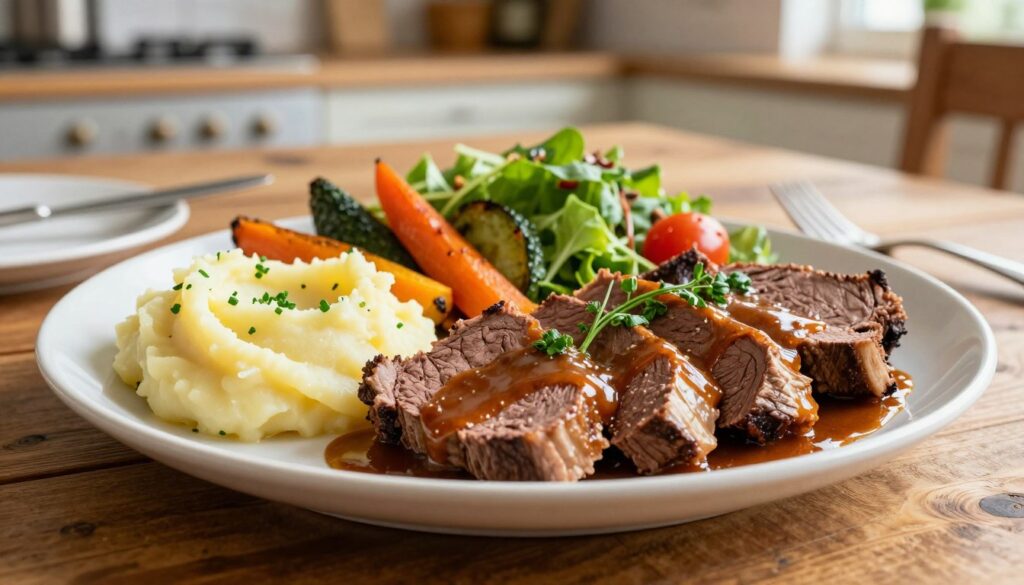
Choose side dishes that balance your butter beef’s richness. Light and bright sides cut through the heavy cream and butter flavors well.
- Fresh arugula salad dressed with lemon juice and olive oil
- Roasted root vegetables like carrots, parsnips, and beets
- Steamed asparagus with garlic seasoning
- Creamy mashed potatoes for comfort
- Grilled zucchini with herbs
This recipe is versatile, allowing you to adjust ingredients based on season or preference. A juicy steak goes well with refreshing veggies that offer contrast.
Think about your guests’ dietary needs when planning. The tender beef pairs well with almost any vegetable side dish you choose.
Pro Tips for Enhancing Your Recipe
To make your butter beef stand out, focus on details and creativity. Customize your butter infusions and pick the right side dishes. These tips will make your meal a hit with everyone at the table.
Customizing Your Butter Infusions
Start with flavored butter for a better butter beef recipe. Use aromatics and herbs to boost the meat’s flavor. Your butter will carry rich, complex tastes that make the dish unforgettable.
- Crush fresh garlic cloves and mix them into softened butter for a classic, savory base
- Add fresh thyme sprigs to create an earthy, sophisticated flavor profile
- Include a hint of rosemary for a slightly pine-like, flavorful touch
- Mix in black pepper and sea salt for additional depth and seasoning
- Try fresh parsley or chives for a lighter, fresher variation
These additions make your butter beef dish more flavorful. They give your cooking a unique touch that stands out.
Pairing Sides to Complement the Main Course
A juicy piece of butter beef needs sides that balance it. Choose vegetables and starches that contrast in texture and flavor. This keeps your meal well-rounded.
| Side Dish | Texture Profile | Flavor Pairing | Preparation Time |
|---|---|---|---|
| Crispy Roasted Potatoes | Crunchy exterior, soft interior | Complements rich butter flavors | 30-35 minutes |
| Steamed Asparagus | Tender with slight firmness | Light green freshness cuts richness | 8-10 minutes |
| Garlic Mashed Potatoes | Creamy and smooth | Enhances savory butter beef profile | 20-25 minutes |
| Grilled Vegetables (zucchini, bell peppers) | Charred and tender | Adds smoky contrast to richness | 15-20 minutes |
| Fresh Green Salad | Crisp and refreshing | Provides bright acidity and cleansing effect | 5-10 minutes |
Choose sides with contrasting textures for a balanced meal. Pair tender, buttery meat with crispy or fresh sides. This makes your meal feel like a restaurant dish. These tips will show off your cooking skills and make your butter beef a hit at any gathering.
Related Recipes:
Conclusion
You now have all the tools to cook butter beef like a pro. This recipe combines simple techniques with top-notch ingredients. Your kitchen will be filled with amazing smells as the butter melts into the beef.
By following these steps, you can turn a basic cut of meat into a tender masterpiece. Every step is important. From picking the right beef to controlling the heat, each choice affects your dish. You’ve learned how to add layers of flavor that make it special.
Your butter beef recipe is ready to wow your family and friends. Use what you’ve learned to make it your own. Try different herbs, adjust cooking times, and find new ways to enjoy it. The skills you’ve gained will help you in your kitchen for years.
