


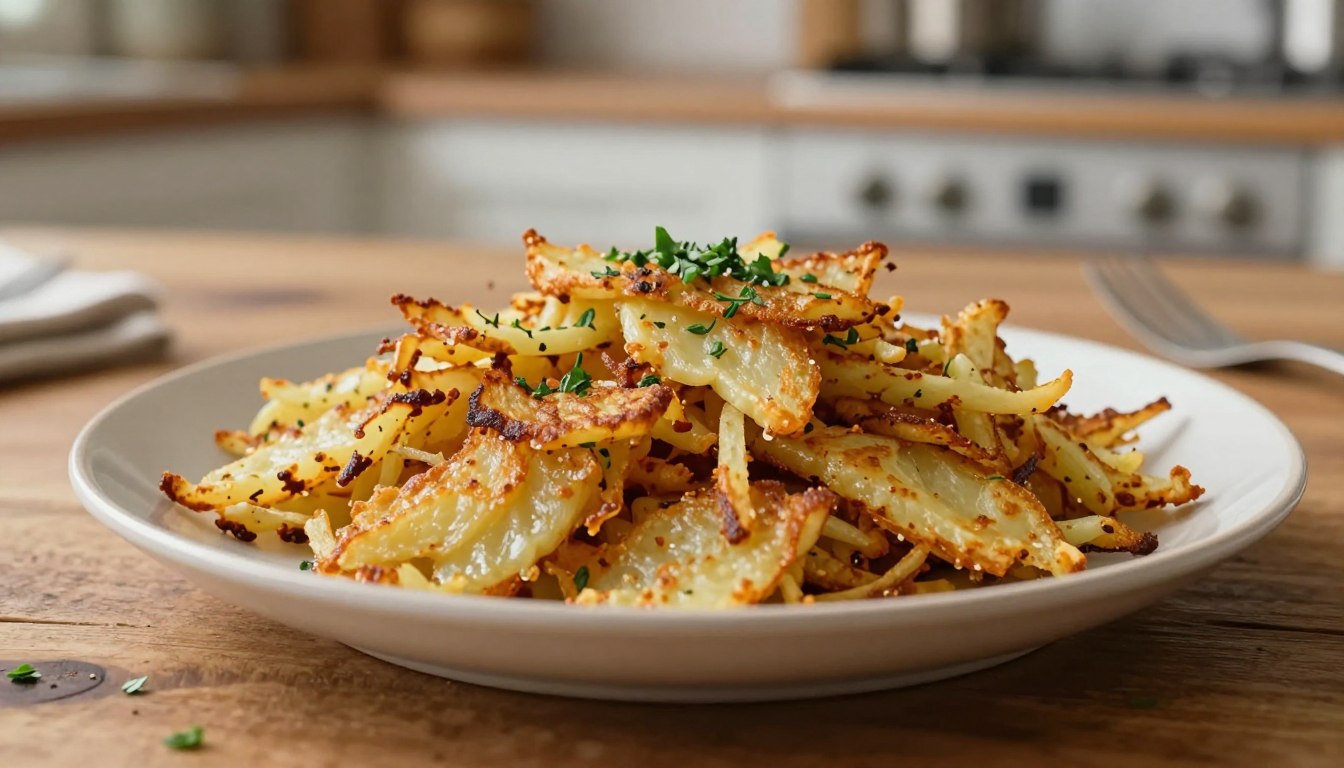
There is nothing like the comforting aroma of homemade hash browns sizzling in a skillet on Sunday morning. You wake craving that perfect diner-style breakfast, with a crisp, golden-brown exterior and tender, fluffy center.
Making this weekend favorite at home is easier than you might think. You need no fancy gadgets or complicated ingredients for great results. Moisture control, even heat, and patience lead to success.
This complete guide explains each step for making classic hash browns. You will learn to choose suitable potatoes, rinse and dry the shreds, and season them properly.
You will also learn to manage skillet temperature and flip portions without breaking them apart. Whether you prefer a loose layer of shredded potatoes or formed patties, these techniques guarantee success.
Table of Contents
Key Takeaways
- Start with the right potato variety for the best texture.
- Rinse and dry your shreds thoroughly to remove excess starch.
- Season your potatoes properly before cooking for maximum flavor.
- Maintain a steady skillet temperature to achieve an even golden crust.
- Flip your breakfast potatoes carefully to keep them from falling apart.
- Enjoy your finished meal alongside fresh eggs and bacon for brunch.
1. What Makes Classic Hash Browns Crispy and Delicious
Breakfast perfection begins with the science behind classic hash browns. You may wonder why some batches turn greasy and limp while others develop a golden crunch.
The secret involves moisture, starch, and heat. Master these elements, and you can make restaurant-quality hash browns at home.
The Characteristics of Perfect Classic Hash Browns
Perfect classic hash browns have a deeply browned, crisp exterior. The potato shreds inside stay soft and fully cooked.
This contrast requires thin, even potato shreds. You also need dry potatoes, enough cooking fat, and a hot, controlled skillet.
True crispness develops when surface moisture evaporates before you move the potatoes. An overcrowded pan makes them steam, creating a pale, soggy dish.
What You Will Learn in This How-To Guide
This guide explains the cooking process in a clear order. You will learn to choose potatoes, grate them, and rinse away extra starch.
Next, you will learn to squeeze the shreds dry, season them, and heat the pan correctly. You will also learn to cook the first side without moving it before flipping.
Finally, this tutorial covers common mistakes, including sticking and burning. It also shares storage tips and easy variations, such as traditional hash browns with cheese or onions.
2. Gather the Ingredients and Equipment
Check your pantry for the best hash brown potatoes and gather your tools before cooking. A well-set kitchen saves time and keeps cooking smooth from start to finish.
Ingredients for Homemade Hash Browns
Making delicious homemade hash browns takes only a few pantry staples. A short ingredient list lets the natural potato flavor stand out.
Best Hash Brown Potatoes for a Crisp Exterior and Fluffy Center
Choose Russet potatoes because they contain lots of starch and little moisture. This balance creates a crisp crust with a tender, light center.
Seasonings, Cooking Fat, and Optional Additions
You need kosher salt, freshly cracked black pepper, and cooking fat such as butter, oil, or both. You can add garlic powder or onions, but avoid extra moisture.
Essential Equipment for Consistent Results
The right gear prevents frustration at the stove. Good tools help you handle potatoes efficiently and cook them evenly.
Choosing a Grater, Clean Towels, and a Heavy Skillet
Get a sturdy box grater or food processor, clean cotton kitchen towels, and a wide spatula. These tools make processing and flipping easier.
Using a Nonstick or Cast-Iron Pan Safely
A heavy-duty skillet spreads heat evenly. Use oven mitts, and handle hot cooking fats carefully to protect your kitchen.
| Item Type | Recommended Choice | Primary Purpose |
|---|---|---|
| Potato | Russet Potatoes | Delivers high starch for ultimate crispness. |
| Cooking Fat | Butter and Oil Blend | Combines rich flavor with high smoke control. |
| Pan | Cast-Iron Skillet | Retains heat exceptionally well for browning. |
| Tool | Clean Kitchen Towel | Squeezes out excess water effectively. |
3. Step 1: Peel and Grate the Potatoes
Turning raw tubers into the best hash brown potatoes starts with careful prep at your cutting board. Inspecting, washing, and preparing the vegetables correctly helps create a delicious morning meal.
Select and Prepare the Potatoes
Inspect your tubers for soft spots or green patches, then wash them well under cold running water. For a classic look and smooth texture, peel your Russets completely.
Why Russet Potatoes Work Well for Breakfast Potatoes
Russets make dependable breakfast potatoes because their high starch content helps shreds cling together. Their low moisture also helps them brown evenly in a hot skillet.
How Thickly to Grate the Potatoes
Use the large holes on a box grater for the ideal breakfast texture. Make shreds long enough to form a solid layer, but not so thick that centers stay raw while edges burn.
Keep the Shreds Uniform
Consistent shreds help you achieve restaurant-quality results at home. Use steady, even pressure so every piece cooks at the same rate.
How Consistent Shreds Help the Potatoes Cook Evenly
Thin pieces cook too quickly, while thick pieces take longer to soften and crisp. Uniform shreds prevent burnt edges and raw centers from mixing in your pan.
How to Avoid Grating Your Fingers
Use safe grating habits by stopping before the vegetable becomes too small to hold. Never force the final piece against the metal teeth. For extra protection, consider wearing a cut-resistant glove.
4. Step 2: Rinse and Dry the Potato Shreds Thoroughly
Getting your potatoes fully dry is the hidden secret behind any truly crispy hash brown recipe. Before heating the pan, remove excess starch and water from your shredded potatoes. These few extra minutes create a better texture.
Rinse Away Excess Surface Starch
Place freshly grated potatoes in a large bowl of cold water. Gently move them with your hands to loosen surface starch clinging to the edges.
When to Use Cold Water and When to Skip a Long Soak
Use cold water to keep potato cells firm and crisp. For a standard skillet preparation, a brief rinse usually works. Skip a long soak when the water clears quickly.
How Clear Rinse Water Signals You Are Ready to Drain
Slightly cloudy water is normal at first because potatoes have natural surface starches. When the water grows clearer, you are ready to drain the potatoes.
Remove as Much Moisture as Possible
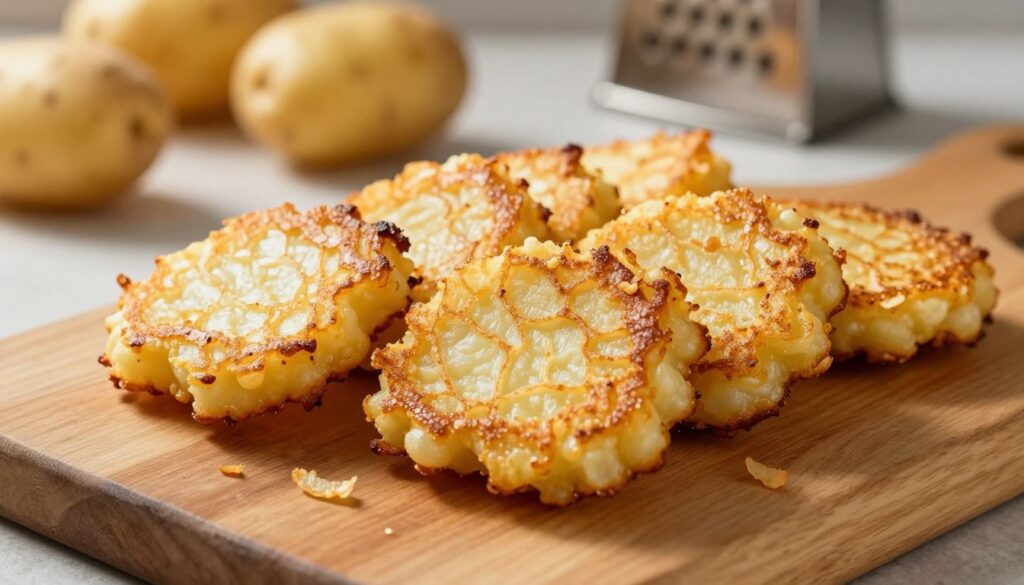
After draining, focus on controlling moisture. This drying phase matters most when making those coveted golden-brown hash browns.
How to Squeeze the Shreds in a Clean Kitchen Towel
Transfer drained shreds to the center of a clean, lint-free kitchen towel. Gather all four corners into a tight bundle. Twist and squeeze it firmly over the sink until little or no liquid remains.
Why Damp Potatoes Prevent Golden-Brown Hash Browns
Damp potatoes quickly lower the pan temperature and release unwanted steam. This slows browning, so the shreds steam instead of fry and become greasy, soggy food.
Avoid Common Preparation Mistakes
Never skip drying or leave shreds in standing water too long. Always avoid towels with residual detergent scents or soap residue. Your goal is a pile of dry, loose shreds ready for immediate cooking.
5. Step 3: Season the Potatoes Before Cooking
Now add flavor to your grated potatoes before they reach the hot pan. Good seasoning gives each bite a savory, rich taste. This step can make your morning meal taste restaurant-quality.
Build a Simple Traditional Hash Brown Seasoning
Great flavor does not need a complex spice cabinet. A smart blend of pantry staples builds the base for traditional hash browns.
Start with kosher salt and freshly ground black pepper. Use a light hand, especially when serving the potatoes with bacon or sausage.
Optional Garlic, Onion, or Herb Additions
You can add garlic powder, onion powder, paprika, or dried thyme. Dry seasonings spread evenly without adding moisture that reduces crispiness.
Mix the Seasoning Evenly Without Compressing the Shreds
Place your dried potato shreds in a large bowl. Sprinkle the spice blend evenly over the potatoes. Gently toss the mixture with clean hands or two forks.
Keep the shreds airy and loose instead of forming a dense ball. Compacting the potatoes adds moisture and can ruin your easy hash browns.
| Seasoning Type | Recommended Amount | Cooking Tip |
|---|---|---|
| Kosher Salt | 1/2 teaspoon | Sprinkle evenly from above |
| Black Pepper | 1/4 teaspoon | Use freshly ground for best flavor |
| Garlic Powder | 1/4 teaspoon | Mix with dry spices first |
6. Step 4: Heat the Skillet and Cooking Fat
The right pan temperature is essential for a crispy hash brown recipe. A great breakfast starts with steady heat and the right cooking fat. Prepare your cooking surface carefully for success.
6.1 Choose the Right Pan and Fat
Your pan affects how well your potatoes fry. A wide, heavy skillet gives the shreds room to spread and holds heat evenly. Nonstick pans reduce sticking and help new cooks prepare breakfast foods.
Comparing Butter, Oil, and a Butter-and-Oil Combination
Butter adds rich flavor to your skillet, but milk solids make it burn quickly. Neutral oils like canola or vegetable oil handle high heat much better. A butter-and-oil combination provides rich flavor and better heat control.
How Much Fat Helps the Potatoes Brown Without Becoming Greasy
Use enough fat to lightly coat the entire cooking surface. Avoid adding so much that your potatoes swim in grease.
6.2 Test the Cooking Temperature
Preheat your empty skillet over medium heat before adding your fat. Wait until the butter begins to foam or the oil gently shimmers. This shows the pan is ready.
Signs the Skillet Is Hot Enough for the Potato Shreds
Drop a tiny potato shred into the pan to test the heat. If it sizzles immediately, you are ready for golden-brown hash browns. Keep the heat low enough to prevent the fat from smoking aggressively.
Safety Tips for Preventing Hot-Fat Splatter
Make sure your potato shreds are completely dry before they touch hot fat. Water droplets cause dangerous splattering. Turn the pan handle inward toward the stove, and use a long spatula to protect your hands.
7. Step 5: Form and Cook the Classic Hash Browns
This is the exciting stage of your cooking journey. At this stage, heat transforms humble grated potatoes into golden perfection.
Spread the Potatoes Into an Even Layer
Spread your seasoned shreds gently across the hot skillet. Keep them loose instead of packing them tightly.
How Thick to Make a Hash Brown Layer or Patty
Make the layer thick enough to hold together while letting heat pass through. For a full skillet layer, keep it about half an inch thick. For individual hash brown patties, shape compact portions that will not fall apart.
Why Overcrowding the Pan Leads to Steaming
Too many potatoes create a deep mass that traps moisture. The water becomes steam and lowers the pan temperature. Your breakfast will turn soggy and pale instead of frying.
Cook the First Side Without Disturbing It
Patience helps create the ultimate crispy hash brown recipe results. Once potatoes hit the oil, press them lightly for full contact with the metal.
How Long to Wait Before Checking for Browning
Cook the skillet for about four to six minutes without interruption. Do not peek or stir during this time, because the golden crust needs time to develop.
How to Adjust the Heat if the Edges Brown Too Quickly
Watch the skillet’s perimeter for early signs of burning. If the edges darken too fast while the center stays raw, lower the burner slightly. If the potatoes stay pale and limp after five minutes, raise the heat one notch.
Flip the Hash Browns Successfully
A successful flip takes swift, confident movements. These movements help keep your hash browns intact.
Using a Wide Spatula for One-Piece Hash Brown Patties
Slide a large, thin metal spatula completely under the patty to support its weight. Tilt the pan and make a smooth, swift wrist rotation.
Flipping Loose Shreds in Smaller Sections
For one large skillet layer, divide the potatoes into quarters with your spatula. Turn each section separately to prevent major breakage.
Finish Cooking Until Crisp and Tender
Cook the second side for another three to five minutes without interference. The bottom should become as golden as the top.
| Cooking Stage | Time Estimate | Heat Level |
|---|---|---|
| First Side | 4-6 Minutes | Medium-High |
| The Flip | 30 Seconds | Medium-High |
| Second Side | 3-5 Minutes | Medium-High |
Your finished classic hash browns should have a crunchy outside and a fluffy, tender center. Remove them from the heat when both sides brown evenly.
8. Step 6: Drain, Season, and Serve the Hash Browns
Bringing your breakfast potatoes to the table takes a few quick final steps. The right finishing touches deliver rich flavor and a crisp bite.
8.1 Drain Excess Fat Without Losing Crispness
Carefully lift each cooked portion from the skillet with a wide spatula. Place portions briefly on a paper towel-lined plate or wire rack to catch extra oil. A wire rack works best because it lets steam escape underneath, keeping your crust intact. Do not stack portions right away, because trapped steam will soften their crunch.
8.2 Add Final Seasoning While the Potatoes Are Hot
Taste a small corner while the batch remains piping hot. Add a pinch of salt, black pepper, or fresh herbs if needed. Surface heat helps the spices stick and blend into your easy hash browns.
8.3 Serve at the Right Moment
Serve your meal right away, since cooked potatoes lose their crunch as they cool. For larger groups, keep batches warm on a wire rack inside a low-temperature oven instead of covering them tightly.
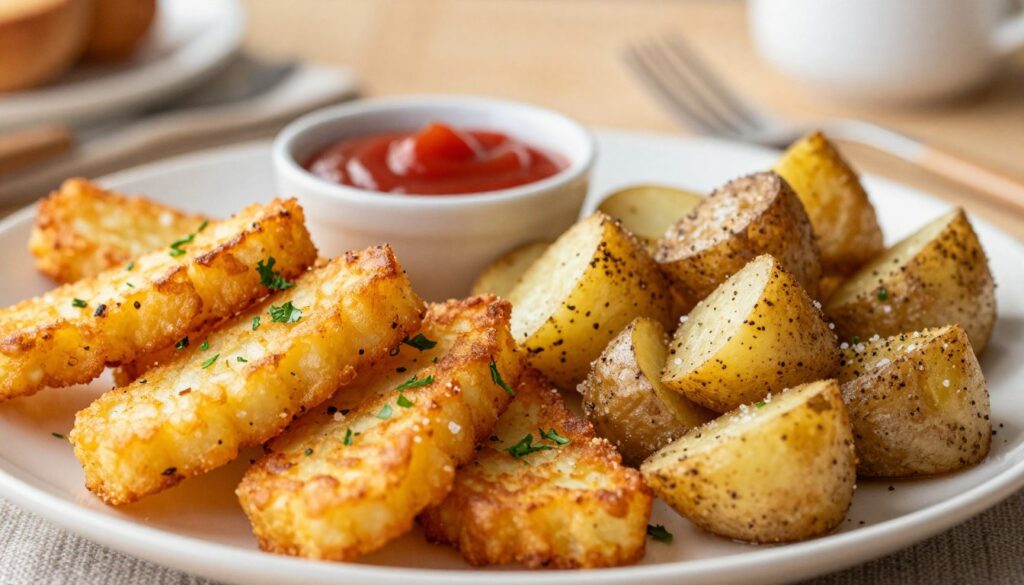
Pair your crunchy creation with morning favorites like fried eggs, crispy bacon, savory sausage, or buttered toast. Fresh avocado slices and bright fruit add balance to the plate.
Adding Toppings Without Making the Crust Soggy
If you enjoy cheese, sour cream, hot sauce, or salsa, add small amounts just before eating. Wet toppings should not sit on the surface long, or the dish may become soggy.
9. Troubleshoot a Crispy Hash Brown Recipe That Is Not Working
Do not worry if your golden-brown hash browns turn out soggy or burnt on your first try. Cooking the ultimate breakfast potato takes practice and careful heat control. Use this crispy hash brown recipe guide to find mistakes and improve your next batch.
Why the Hash Browns Turn Out Soggy
Excess moisture usually causes limp potatoes. Crowding the pan or skipping the drying step traps steam inside. Squeeze out every drop of water before cooking.
Why the Potatoes Stick to the Skillet
Your potatoes may stick when the pan lacks enough oil or proper preheating. Let a solid crust form before moving them. For the best release, use a well-seasoned cast-iron skillet.
Why the Outside Burns Before the Inside Cooks
High heat browns the outside too quickly while leaving the center raw. Lower the burner slightly and press the potatoes into a thinner layer. Uniform shreds also ensure even cooking throughout.
Why the Hash Browns Fall Apart When Flipped
Loose potato shreds or an early flip can break the patty apart. Wait until the underside develops a golden-brown crust. Use a wide, thin spatula to support the full weight during the flip.
How to Fix Bland or Greasy Hash Browns
Bland potatoes lack proper seasoning both before and after cooking. Greasy results mean your heat was too low, causing oil to soak right into the shreds.
10. Make-Ahead, Storage, and Reheating Tips
Busy family mornings run more smoothly when you prepare your homemade hash browns ahead. A smart cooking schedule protects food quality and safety.
Start breakfast by preparing food ahead. Learn how to store and reheat your potatoes properly.
Prepare Potato Shreds Ahead of Time
You can grate potatoes early if you control moisture. Rinse the shreds briefly, dry them well, and store them in an airtight container in your refrigerator.
Cook these prepared shreds as soon as practical to prevent discoloration or waterlogging. Freshness is key to achieving that ultimate morning crunch.
Store Leftover Hash Browns Safely
Proper cooling limits bacterial growth and helps cooked potatoes keep their shape. Let food cool before sealing it away.
Refrigerating Cooked Hash Browns Within a Safe Time Frame
Place cooled leftovers in a shallow, airtight container promptly. Eat refrigerated cooked hash brown patties within a few days for the best taste and safety.
Freezing Hash Brown Patties for Later Meals
Freezing extends storage for longer periods. Form your hash brown patties in a single layer, separate them with parchment paper, then transfer them to a freezer-safe bag.
Reheat Them So They Become Crisp Again
Do not seal hot food in a container; trapped steam makes the crust soft and soggy. Reheat your homemade hash browns in a skillet, oven, toaster oven, or air fryer, not a microwave.
Use moderate heat and turn the potatoes once to restore their crunch. Frozen pieces usually reheat directly, but they need slightly more cooking time.
11. Easy Variations on Traditional Hash Browns
Customize traditional hash browns with fun mix-ins while keeping their crispy texture. Experimenting with flavors can turn this basic side into the star of your morning meal.
11.1 Make Cheesy Hash Brown Patties
Fold a small amount of shredded cheddar, Monterey Jack, or mozzarella into your potato mixture. Seal the cheese inside your hash brown patties to prevent burning, or sprinkle it on top during the final minute.
11.2 Add Diced Onion or Bell Pepper
Fresh vegetables bring color and flavor to your plate. Finely dice and lightly pre-cook onions or peppers to remove excess moisture before mixing them in.
11.3 Prepare Smaller Individual Hash Browns
Compact, bite-sized portions let hot air and oil circulate around each piece. These smaller shapes work well for children, brunch buffets, and quick meal prep.
11.4 Turn the Recipe Into a Breakfast Skillet
Transform these potatoes into a hearty one-pan meal by adding eggs, cooked sausage, or bacon. Wait until a solid crust forms on your easy hash browns before adding wet ingredients.
| Variation Type | Key Ingredients | Cooking Tip |
|---|---|---|
| Cheesy Patties | Cheddar, Monterey Jack | Melt cheese at the very end |
| Veggie Loaded | Diced onions, bell peppers | Pre-cook veggies to remove water |
| Mini Portions | Standard shredded potatoes | Leave space between portions |
| Breakfast Skillet | Eggs, bacon, sausage | Add toppings after the crust forms |
Conclusion
Making classic hash browns well depends on a few simple kitchen habits. Choose starchy potatoes, grate them evenly, and rinse away extra surface starch.
Squeeze out all moisture, then season the shreds gently. Add them to a properly heated skillet with the right amount of cooking fat.
Patience is your best tool at the stove. Keep the pan uncluttered, and wait for a firm crust before flipping.
Adjust burner heat or pan size to fix most cooking troubles within minutes. Follow these steps, and your homemade hash browns will turn crispy every time.
Serve steaming golden-brown hash browns right away with farm eggs, crispy bacon, local sausage, or buttered toast. After mastering this reliable base recipe, try sharp cheddar cheese, diced sweet onions, bell peppers, fresh herbs, or smaller portions. You can create a diner-style breakfast in your own kitchen.
FAQ
What are the best potatoes to use for classic hash browns?
Russet potatoes are widely considered the best choice for homemade hash browns and breakfast potatoes. Their high starch creates a golden, crisp outside and a fluffy center.
Why do my hash browns turn out soggy or greasy?
Soggy hash browns usually contain too much moisture, crowd the skillet, or cook in a pan that is not hot enough. Squeeze the shreds dry and use enough heat to sear them.
Do I need to rinse the grated potatoes before cooking?
Yes, rinse grated potatoes quickly in cold water. This removes surface starch, prevents gummy shreds, and helps create a crisp hash brown recipe texture.
Can I make hash brown patties ahead of time and freeze them?
Absolutely. Prepare traditional hash browns or patties ahead of time, then freeze them raw or partly cooked in one layer. Reheat them in a hot skillet or air fryer.
How do I prevent my hash browns from sticking to the skillet?
Fully preheat the pan before adding fat. Use enough oil or butter to coat the surface, then cook the potatoes undisturbed until a crust forms.
