



There’s something magical about pulling a golden, glossy chicken from the oven. The aroma fills your kitchen with warmth and comfort. Your family gathers around the table with excitement, drawn in by the promise of a meal that tastes like it came straight from a restaurant kitchen.
Learning how to make roast sticky chicken transforms an ordinary weeknight dinner into something special. The combination of tender meat and a caramelized exterior creates a dining experience that feels indulgent yet remains approachable for home cooks.
Roast sticky chicken balances deep, savory flavors with a signature glossy coating that catches the light. When cooked properly, your poultry reaches the safe USDA temperature of 165°F while staying juicy throughout. This guide gives you the knowledge needed to create restaurant-quality results in your own kitchen.
You’ll discover professional techniques that elevate your Sunday dinner game. Your family will ask for this dish again and again. By mastering the art of roast sticky chicken, you bring restaurant-quality dining to your table every time.
Understanding the Appeal of Roast Sticky Chicken
Roast sticky chicken is a favorite in American kitchens. It combines tender meat with a glossy, caramelized coating. This makes it feel both indulgent and satisfying.
When you cook chicken with a sweet glaze at high heat, magic happens. The Maillard reaction is the secret. It happens when proteins and sugars brown together under heat. This creates complex flavors that taste rich and savory.
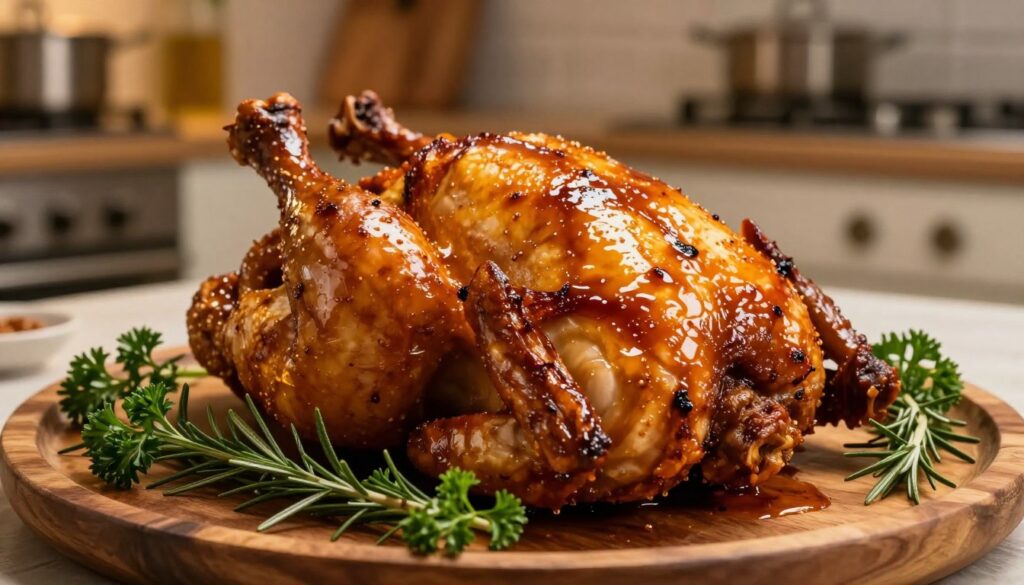
- Feeds 4 to 6 people in one meal
- Creates impressive presentation without complex cooking
- Balances sweet glaze with savory chicken flavors
- Produces crispy skin that everyone enjoys
- Leaves your kitchen smelling amazing
Roast sticky chicken appeals to different tastes. The sweet glaze attracts those who prefer milder flavors. The crispy, umami-rich crust satisfies those who enjoy deeper, more intense tastes.
This balance between tender meat and caramelized exterior makes it memorable. Understanding these sensory qualities helps us see why roast sticky chicken is a staple in American households.
If you enjoy simple homemade comfort meals like this Roast Sticky Chicken, you might also love these easy recipes:
Essential Ingredients for the Best Sticky Chicken Marinade
To make the best sticky chicken marinade, you need to mix acid, sweetness, and salt. These elements work together to make the meat and skin taste great. The right mix gives your chicken that sticky texture and caramelized flavor.
Getting the marinade just right is key. It’s like building a flavor tower. Each part of the marinade does something special to the chicken.
Selecting Your Aromatics and Spices
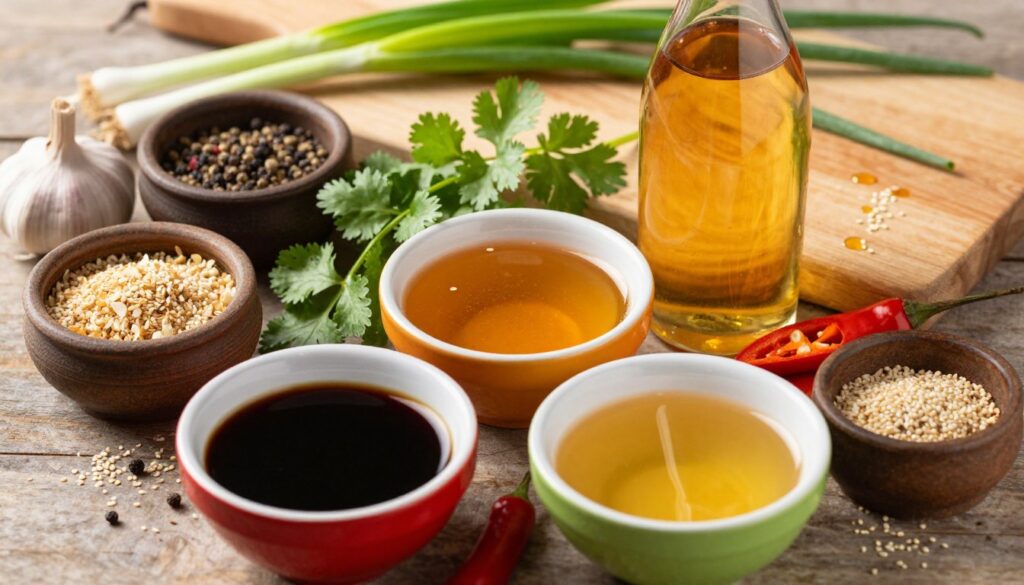
Start with fresh aromatics for your marinade. Choose high-quality ingredients for the best taste.
- Fresh garlic (minced or grated) adds pungent, savory notes
- Ginger root brings warmth and slight spice
- Soy sauce provides umami and saltiness
- Rice vinegar contributes acidity for meat tenderizing
- Sesame oil offers nutty, aromatic flavor
Together, these aromatics make the chicken skin and meat taste amazing.
Balancing Sweet and Savory Glaze Components
Sweetness is key for that sticky texture everyone loves. Honey or brown sugar helps with caramelization when roasting.
| Sweet Component | Purpose | Amount per Cup of Marinade |
|---|---|---|
| Honey | Creates glossy coating and browning | 3-4 tablespoons |
| Brown Sugar | Aids caramelization and adds depth | 2-3 tablespoons |
| Soy Sauce (savory) | Balances sweetness with umami | ¼ cup |
| Garlic and Ginger (aromatics) | Adds complexity and heat | 2 tablespoons combined |
When you get the mix right, your chicken marinade sticks perfectly to the bird. This ensures every bite tastes the same. Learning these ratios can turn a simple roasted chicken into something truly special.
Best Amazon Picks:
Mastering the Roast Sticky Chicken Oven Method
Getting your sticky chicken oven method right is key. It turns a soggy mess into a meal fit for a restaurant. The secret is knowing how heat works on your chicken and keeping the glaze from burning.
Your oven should be between 375°F and 400°F. This ideal range cooks the fat under the skin well without burning the marinade’s sugars. Starting at 400°F helps get that golden skin you love.
Where you put the chicken is as important as the temperature. Place it on a rack in the oven’s center, with space around it. This lets air move freely, stopping moisture from making the skin soggy.
Key Steps for Your Roasting Setup
- Arrange your rack to give at least two inches of clearance on all sides
- Use a heavy roasting pan to distribute heat evenly
- Ensure your oven has preheated for at least 15 minutes
- Place a meat thermometer in the thickest part of the thigh
By following this easy roasted sticky chicken recipe, you get even cooking. Your chicken will be safe at 165°F and have a beautiful caramelized skin. Good air flow stops hot spots that could burn the glaze before the chicken is fully cooked.
Pro Tips for Achieving Caramelized Perfection
The last stages of roasting your chicken are crucial. They decide if you get a beautiful, glossy exterior or a burnt mess. Getting the timing and temperature right is key. These sticky chicken cooking tips focus on the final moments when your glaze turns mahogany.
Your success depends on two main factors: precise heat control and proper resting time. Both elements work together to create the ideal texture and appearance your guests will love.
Managing Oven Temperature for Crispy Skin
Watch your oven temperature carefully during the last 15 minutes of cooking. This is when your glaze darkens from a light amber to deep mahogany. Keep your eyes on the chicken because things can change quickly.
Follow these temperature guidelines:
- Monitor heat levels between 400°F and 425°F during final stages
- Lower temperature slightly if glaze appears too dark
- Increase heat if the exterior needs deeper browning
- Use an instant-read thermometer to check internal doneness (165°F at the thickest part)
- Tent with foil if the skin browns too fast
Your chicken skin needs direct heat exposure to crisp properly. Avoid opening the oven door repeatedly, as this drops internal temperature and extends cooking time.
Resting Your Poultry for Maximum Juiciness
After removing your chicken from the oven, resist the urge to slice immediately. Let it rest for 10 to 15 minutes on a cutting board.
During this resting period, three important things happen:
- Meat fibers relax and reabsorb natural juices
- Internal temperature stabilizes and rises slightly
- Carryover cooking finishes the cooking process evenly
This simple step transforms your chicken from dry to incredibly juicy. Skipping this rest time wastes all the effort you put into creating that perfect glaze.
Related Recipes:
Conclusion
Roast sticky chicken is easy to make with simple ingredients and the right cooking methods. The key is to mix sweet and savory flavors in the marinade. Use soy sauce, honey, and fresh garlic for depth.
Keeping the temperature right makes the skin crispy and the meat tender. This is crucial for a great dish.
Being patient during the resting phase is important. Let the chicken rest for ten to fifteen minutes after roasting. This lets the juices spread evenly, making the meat juicy and flavorful.
Now, you can make this delicious dish at home with confidence. Follow the marinades and methods from this guide. You can also tweak the flavors to your liking. Each time you make roast sticky chicken, you get better at it.
FAQ
What is the Maillard reaction and how does it relate to roast sticky chicken?
The Maillard reaction is a chemical process that happens when proteins and sugars brown under heat. It creates the complex, umami-rich crust that defines roast sticky chicken. This reaction gives your poultry its deep color and savory flavor, making it different from standard roasted chicken.
What are the key ingredients for the best sticky chicken marinade?
The best sticky chicken marinade has acidic, sweet, and salty elements. Use fresh garlic, ginger, and soy sauce for depth. Add sweeteners like honey or brown sugar. This mix helps create the iconic sticky texture and ensures even flavor.
How does soy sauce enhance the flavor profile of sticky chicken?
Soy sauce adds umami depth and saltiness to your marinade. It balances the sweetness of the glaze. The salt in soy sauce helps the marinade penetrate the chicken’s tissues, ensuring flavor throughout.
What is the ideal oven temperature for an easy roasted sticky chicken recipe?
For sticky chicken, keep the oven between 375°F and 400°F. This temperature range helps the fat render and prevents the glaze from burning. It ensures the chicken cooks evenly without scorching the sticky coating.
How should you position your chicken for optimal air circulation?
Place your chicken on a roasting rack above the pan. This setup allows hot air to circulate around the poultry. It prevents the bottom from getting soggy and promotes even browning.
What is the purpose of resting your chicken after roasting?
Resting your poultry for 10 to 15 minutes redistributes juices. During cooking, juices move towards the center. Resting helps them spread evenly, making your chicken tender and juicy.
How can you prevent the glaze from burning during the final cooking stages?
Monitor your oven temperature closely during the last 15 minutes. If the glaze darkens too quickly, tent the chicken with foil. Then, remove the foil for the final minutes to achieve caramelization.
What internal temperature should your roast sticky chicken reach?
Your chicken should reach 165°F at the thickest part of the thigh. Use a meat thermometer to check doneness. This ensures the meat is safe and juicy.
Can you explain the difference between honey and brown sugar in sticky chicken marinade?
Honey and brown sugar both help with caramelization, but differently. Honey makes the marinade smoother and adds floral notes. Brown sugar creates a thicker glaze with deeper flavor. Mixing both can balance flavor and texture.
How long should you marinate chicken before roasting?
Marinate your chicken for 4 to 8 hours for best flavor. Overnight marination is even better. But don’t marinate for more than 24 hours to avoid mushy texture.
What role does ginger play in a sticky chicken marinade?
Fresh ginger adds a warm, spicy note that balances sweetness. It also tenderizes the meat, making it more succulent. Ginger is key to a complex flavor profile.
Should you apply the marinade to the skin or under the skin?
Apply marinade to both the skin and under it for best results. This ensures the meat is flavored directly while the skin gets caramelized. It maximizes flavor penetration.
How does garlic quality affect your final roast sticky chicken?
High-quality, fresh garlic is crucial for a great marinade. It provides potent flavor. Using fresh garlic ensures a deep, savory character in your chicken.
What is the significance of allowing the glaze to caramelize gradually?
Gradual caramelization prevents the glaze from burning. Keeping the oven at 375°F to 400°F allows for full Maillard reaction. This approach ensures a savory flavor without sweetness or burn.
Can you adjust the sweetness level in your marinade?
Yes, you can adjust the sweetness to your liking. Reduce or increase honey or brown sugar as needed. This flexibility lets you tailor the recipe to your taste.
